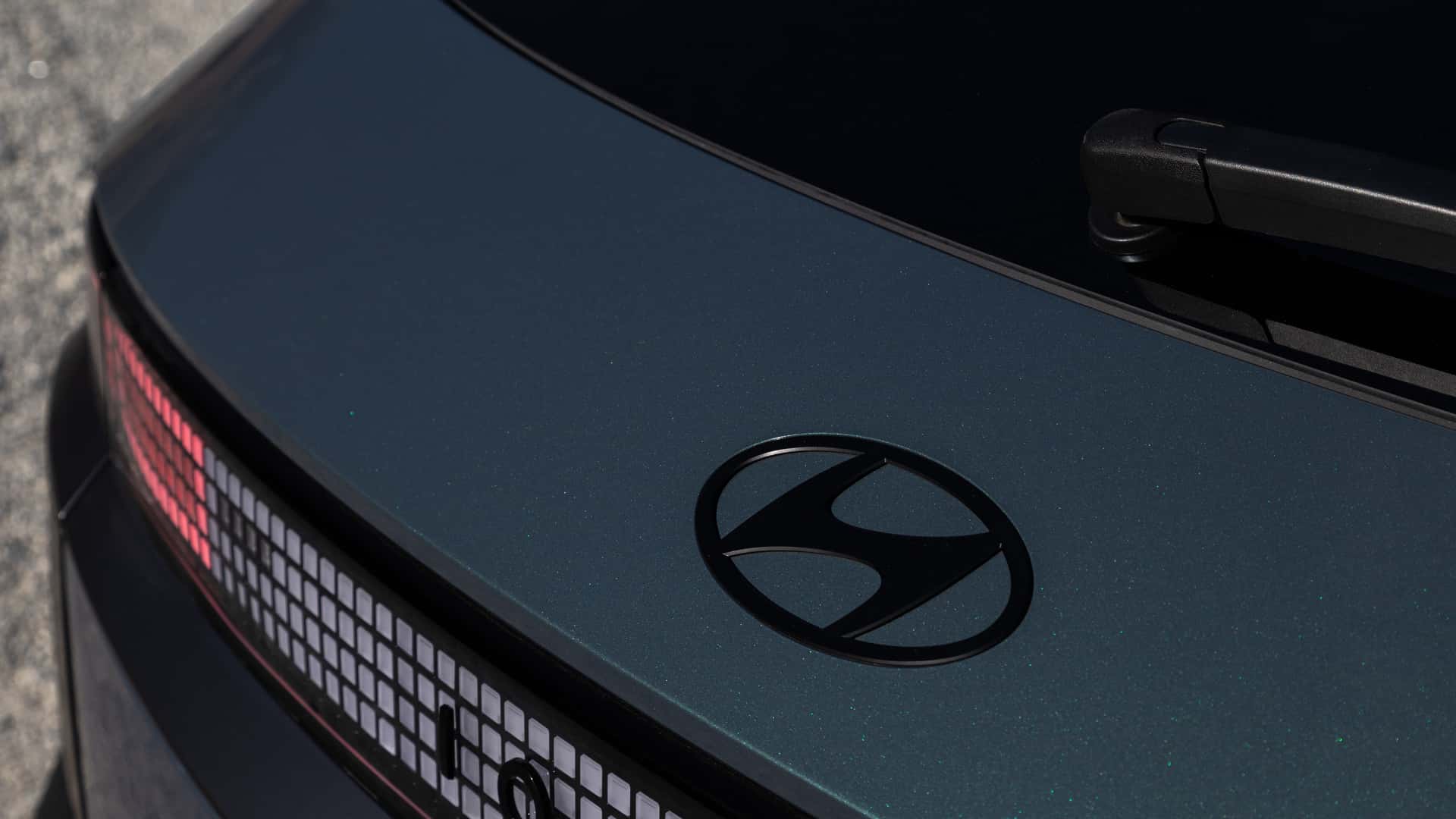
Hyundai Motor has launched a pilot project in South Korea allowing electric vehicle batteries to be used on a subscription basis, marking a shift toward separating vehicle and battery ownership.
The initiative, developed in collaboration with Hyundai Capital, is initially focused on taxi fleets and is expected to expand to private consumers later this year, according to local media reports including The Korea Times.
See also: Hyundai Plans to Expand Simulated Gearshift Tech Beyond Performance EVs
The program has been enabled by a regulatory exemption approved by Ministry of Land Infrastructure and Transport South Korea in November, allowing EV bodies and batteries to be registered under separate ownership for the first time. Previously, such separation was not permitted under South Korean vehicle regulations.
The pilot currently includes five Hyundai Ioniq 5 taxis operating in the Seoul metropolitan area. Under the model, fleet operators pay a monthly subscription fee to Hyundai Capital, which retains ownership of the batteries. When battery performance declines, the units can be replaced with others owned by the finance arm.
See also: Hyundai Debuts China-Specific Ioniq V Electric Model at Auto China
Hyundai said taxi fleets were selected for the initial phase due to their high mileage, which accelerates battery degradation and provides a suitable environment to test replacement cycles and cost structures.
The company said the pilot will be used to evaluate potential reductions in upfront vehicle costs, improvements in residual value, and the feasibility of extending vehicle lifespan under real-world operating conditions.
Separating battery ownership is seen as a way to address one of the key concerns for EV buyers: long-term battery performance and replacement costs, which can affect resale value.
A spokesperson for Hyundai Motor Group said the company aims to expand battery subscription and financing models to a broader customer base if the pilot proves successful.
See also: Hyundai to End Standard Ioniq 6 Sales in the U.S., Keep Limited Ioniq 6 N
In parallel, Hyundai is also testing battery-swapping technology through Pit In, which allows depleted batteries to be replaced with fully charged units in around 10 minutes. The system has been undergoing trials in Anyang, Gyeonggi Province since September 2025.
Currently, about 30 taxis from four operators are using battery subscription and swapping services within Hyundai’s ecosystem, supported by the same regulatory framework that enabled the pilot program.
The initiative reflects ongoing efforts by automakers to explore alternative ownership and charging models to support wider adoption of electric vehicles.