adminis
As Nigeria intensifies efforts to deepen cleaner mobility adoption, the National Automotive Design and Development Council (NADDC) has partnered with the Automotive Sector Skills Council to develop a comprehensive training manual on compressed natural gas (CNG) systems and electric vehicle (EV) operations.
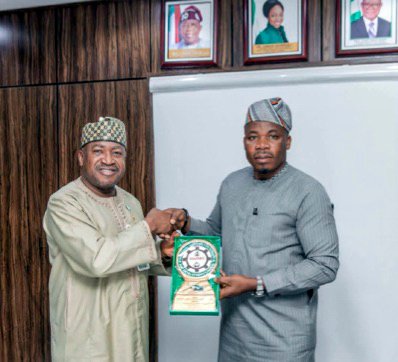
The manual, presented during a visit by members of the Sector Skills Council to NADDC headquarters in Abuja, is aimed at equipping automotive professionals, training institutions, regulatory agencies and certification bodies with standardised knowledge and practical skills for the evolving automotive industry.
Speaking during the presentation, President of the Automotive Sector Skills Council, Best Nnodim, said the manual was designed to support effective industry application, standards development and professional training across the automotive value chain.
According to him, the document provides detailed guidance on CNG and EV operations, safety standards, conversion procedures and maintenance practices.
The CNG component contains nine modules, while the EV section is structured into 10 modules covering advanced technical and operational requirements.
He explained that the manual combines engineering expertise, industry regulations, safety requirements and field experience to address the growing demand for skilled manpower in alternative fuel and electric mobility technologies.
Nnodim further noted that the EV section was specifically developed to support technicians and workshop operators transitioning from conventional vehicle servicing to electric vehicle maintenance, which requires advanced electrical and diagnostic competencies.
Director-General of NADDC, Otunba Oluwemimo Joseph Osanipin, commended the collaboration between the council and industry stakeholders, stressing that structured training and certification remain critical to building a competent automotive workforce.
Osanipin said the initiative would also support Nigeria’s broader drive toward cleaner, safer and more sustainable transportation systems through local capacity development in CNG and EV technologies.