adminis
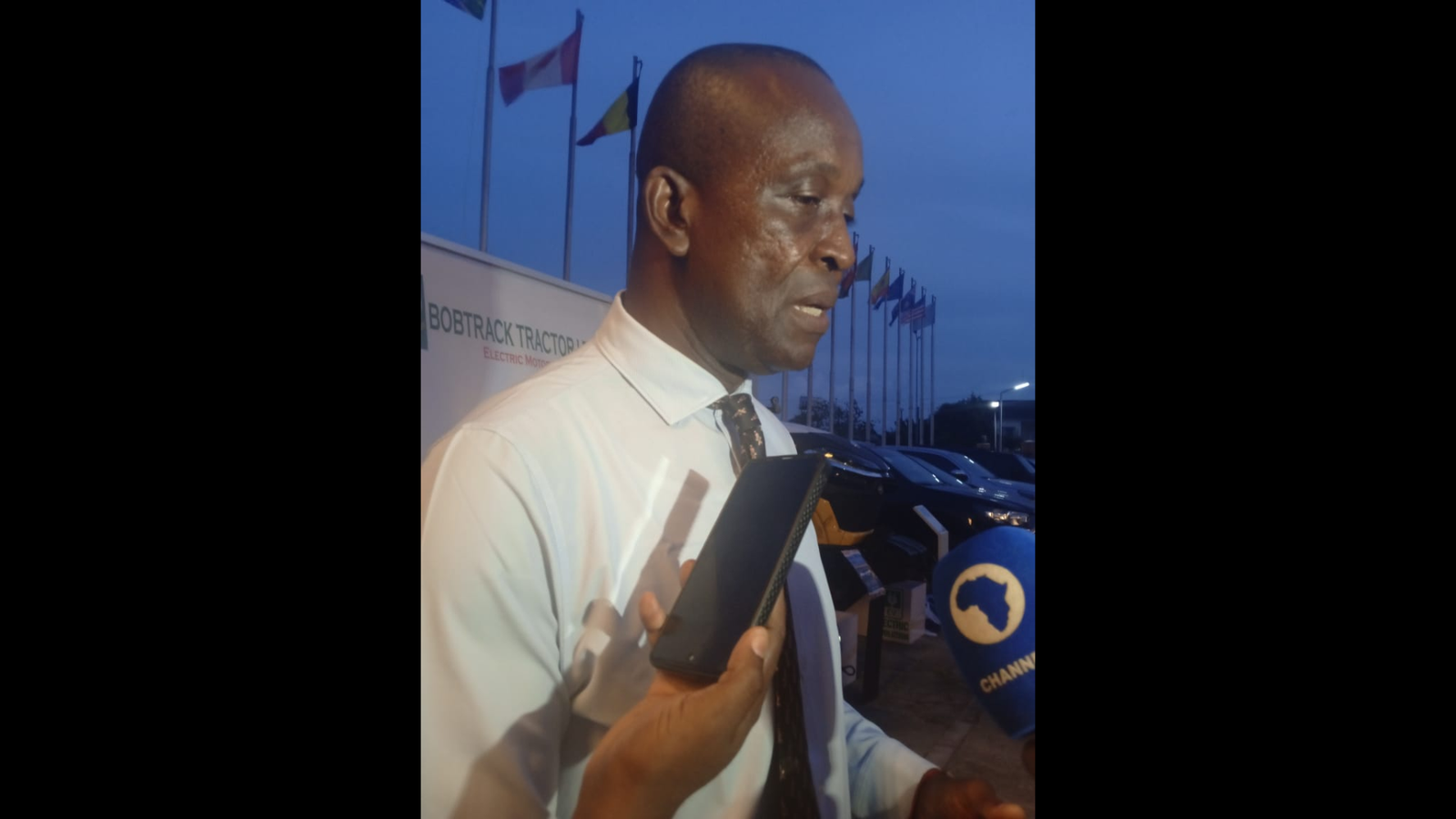
A Nigerian citizen, Peter Ogbudu marked his birthday on May 25, 2026, devoid of not fanfare and razzmatazz, and a passionate appeal to President Bola Tinubu to tackle the country’s growing economic and security challenges.
In an open letter to the President, Ogbudu, widely known as Gana, said he could not celebrate while millions of Nigerians continue to face severe hardship. He wrote that lighting candles or cutting cake felt inappropriate when many citizens are struggling to get by and living in fear each night.
The letter vividly captures the daily struggles of ordinary citizens following major policy shifts, specifically the removal of the fuel subsidy, as Ogbudu highlighted the soaring cost of living, noting that staple foods have slipped out of reach for average families. He expressed concern that a bag of rice, which previously sold for around N30,000 has now surged past N70,000.
Alongside skyrocketing food inflation, public transport fares have doubled or tripled nationwide, while small businesses collapse under the dual weight of high diesel prices and erratic grid electricity.
Furthermore, the letter lamented the fate of recent graduates who have been forced into petty trading and street hawking due to a stagnant job market, noting that Nigerians are not lazy but simply exhausted by reforms that feel less like sacrifice and more like punishment.
Turning to the security situation, Ogbudu provided a grim breakdown of how crime and terror are dismantling Nigeria’s socio-economic fabric across different regions. In the North, banditry and targeted kidnappings have made farmers terrified to access their lands, directly threatening food security.
In the Middle Belt, armed terrorist groups have uprooted entire communities, while commercialized kidnapping-for-ransom has turned highways in the South-East and South-South into high-risk zones, effectively paralyzing regional trade.
Ogbudu emphasized that economic hardship and insecurity are deeply connected, arguing that poverty and hopelessness act as direct fuel for the country’s rising criminal enterprises.
Ogbudu outlined critical actionable requests for the government to restore hope. He urged the federal government to immediately ease the economic burden by introducing nationwide public transport subsidies, intervening strategically in food supply chains to drive down prices, and establishing transparent youth empowerment programs.
He also called for a community-based security overhaul that properly equips frontline personnel, improves localized intelligence gathering, and secures agricultural belts.
Finally, Ogbudu challenged the Presidency to publish clear, measurable milestones regarding critical national projects, stating that citizens can only endure temporary hardship if they see verified progress on refinery rehabilitations, the nationwide Compressed Natural Gas rollout, and power sector upgrades.
Closing his letter, Ogbudu maintained a tone of stubborn patriotism, emphasizing that his words were born out of a deep love for the country rather than malice.
He concluded by reminding the administration that leadership is not measured only by policies and speeches, but by the everyday realities of the people, such as a mother selling her possessions to feed her children or a farmer abandoning his land out of fear.
As of the time of this report, the Presidency has not issued an official response to the letter, which continues to gain massive traction online among millions of Nigerians echoing the exact same frustrations.