adminis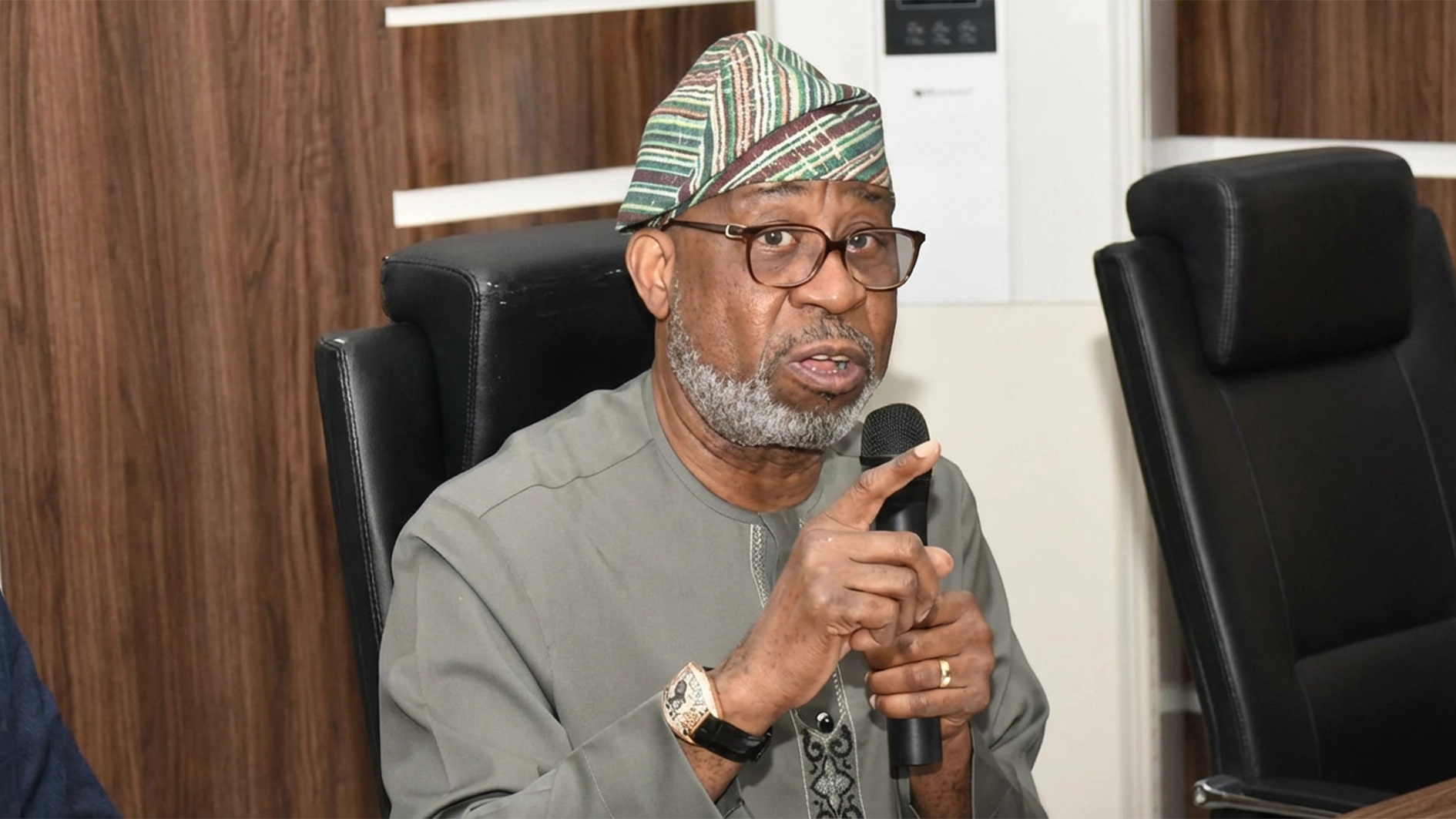
FG partners Chinese firm to manufacture CNG, EV infrastructure locally
Nigeria and the Republic of Türkiye have signed a Memorandum of Understanding (MoU) to strengthen bilateral cooperation in the solid minerals sector, marking a significant step towards deepening economic collaboration between both countries.
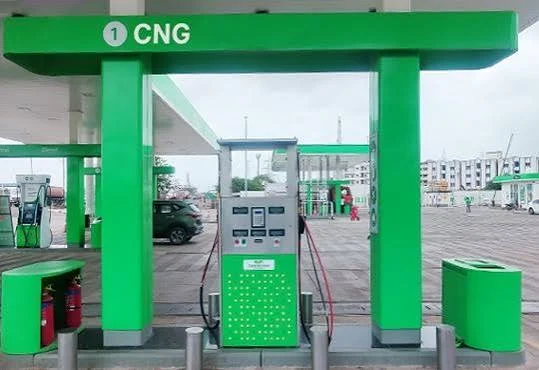
The Federal Government also engaged a Chinese firm, New Power Technology (NPT), yesterday, in a strategic partnership to manufacture and assemble Compressed Natural Gas (CNG) and Electric Vehicle (EV) infrastructure in Nigeria.
The MoU with Türkiye was signed yesterday on the sidelines of the Istanbul Natural Resources Summit in Istanbul, Türkiye.
Speaking during the signing, Nigeria’s Minister of Solid Minerals Development, Dele Alake, expressed Nigeria’s readiness to leverage Türkiye’s technological advancement and expertise in mining exploration, training, digitisation, licensing systems and capacity building to accelerate reforms and growth within the sector.
According to the minister, President Bola Tinubu has given full backing to efforts aimed at strengthening bilateral relations with Türkiye in the mining and energy sectors.
Alake said: “Türkiye is one of the countries we are confident of building strong bilateral cooperation with, particularly in the area of solid minerals development. Nigeria is open to working with the Turkish government to strengthen governance structures, improve technical capacity and advance sustainable mining development in our country.”
The minister, who also serves as Chairman of the Africa Minerals Strategy Group (AMSG), noted that reforms introduced in Nigeria’s solid minerals sector over the past three years transformed the operating environment and made the sector more attractive to genuine investors.
Responding, Türkiye’s Minister of Energy and Natural Resources, Alparslan Bayraktar, described the new partnership with Nigeria as strategic and timely, noting that global energy security “now demands stronger international cooperation and connectivity”.
Bayraktar commended the Nigerian government for the reforms and initiatives already introduced in the solid minerals sector, stressing that Turkish companies “are eager to invest” in Nigeria.
He said: “We are ready to invest in Nigeria because of the remarkable initiatives your government has put in place. We look forward to cooperation, support and guidance that will enable both countries to achieve meaningful results.
“Nigeria is a major player in the hydrocarbon industry. We would appreciate it if you convey to your President our desire to renew energy cooperation and contracts with Nigeria.”
THE Federal Government’s partnership with the Chinese firm, which is fully backed by the Chinese government, will focus on the local production and assembly of CNG dispensers, refuelling stations and EV charging facilities, as part of Nigeria’s efforts to deepen local content, reduce import dependence and accelerate the adoption of cleaner transport energy.
This was the outcome of a meeting of a delegation from the NPT, led by its Chief Executive Officer (CEO), Mr Liu Shihua, as well as the management team of the Presidential Initiative on Compressed Natural Gas (Pi-CNG), led by the Chairman, Ismaeel Ahmed, with Vice President Kashim Shettima at the Presidential Villa, Abuja.
The Vice President, who was represented by the Deputy Chief of Staff to the President, Senator Ibrahim Hadejia, said the move, which aligns with President Bola Tinubu’s directive on mandatory procurement of CNG-powered vehicles by all government institutions in the country, would address transportation challenges in the country.
Shettima said the target of training 100,000 Nigerians, not less than 1,000 in each state locally, and sponsoring 100 of them to China for training was also part of the inclusivity clause of the President under the Renewed Hope Agenda.
Earlier, Shihua had told the Vice President that the target was to build a complete EV ecosystem, including vehicle retrofitting and battery swapping networks, digital operation and maintenance platforms.
“Our plan is to complete the conversion of one million traditional fuel-powered tricycles to electric tricycles within three years, while simultaneously establishing 10,000 charging and swapping stations, directly creating 40,000 to 50,000 jobs in the charging and swapping sector.
“We’ll bring a core team of Chinese technical experts. We will station experienced Chinese engineers in Nigeria to provide comprehensive technical support and personnel training. What’s more, a local government in China – the Science and Technology Bureau of Xi’an, Shaanxi Province – is providing strong policy and talent support through its ‘Thousand Talents Programme’,” he said.