adminis

Infrastructure deficits and inadequate funding mechanisms among other factors are threatening to speed up Nigeria’s transition to Compressed Natural Gas (CNG), key energy sector stakeholders have warned.
Speaking during a National CNG Adoption conference organised by Pi-CNG, the National Compressed Natural Gas Forum (NCNG-F) and the Petroleum Products Retail Outlets Owners Association of Nigeria (PETROAN), in Abuja on Wednesday, Amaoge Chukwudi, National treasurer of the Petroleum and Natural Gas Senior Staff Association of Nigeria (PENGASSAN), said that the nation’s ambitious drive to establish CNG as an affordableopy alternative to petrol is stalling due to severe gaps in refueling facilities, distribution networks, and long-term financing models.
Without urgent policy intervention and targeted capital investment to bridge these operational bottlenecks, union leaders cautioned that mass adoption will remain out of reach for millions of Nigerians seeking relief from rising fuel prices.
“The problem we see is supply gap, we currently have high demand but little supply which explains the long queue we currently have everywhere. We believe in the CNG project but the supply gap must be addressed.
“We also observed that the amount required to set up CNG stations is very high, these are critical issues among others that the government need to address. The governmemt should step in and incentivise the sector for investors to come in,” she said.
In his remarks, Faruk Abdullahi, the National Chairman of NCNG-F, said the success of the programme could not rest on the government alone.nor can it be achieved by conversion centres, gas suppliers or infrastructure providers acting in isolation.
“It requires the collective commitment of government, organised labour, transport unions, professional associations, private-sector operators, financiers and the millions of Nigerians whose daily economic activities depend on affordable and reliable energy,” Abdullahi said.
According to him, Nigeria’s decision to pursue alternative and more affordable energy solutions is taking place against the background of changing economic realities.
He added that the removal of the fuel subsidy has fundamentally altered the cost structure of transportation and production, placing considerable pressure on households, businesses and operators across the economy.
While acknowledging the adjustment challenges associated with the policy, he said, “We must also recognise the importance of developing sustainable alternatives that can reduce our exposure to the cost of conventional fuels, strengthen domestic energy utilisation and support long-term economic productivity.
“In this regard, CNG presents an important opportunity for Nigeria. We have significant natural gas resources, a large transportation market and a growing need to reduce operating costs,” he said.
Abdullahi noted that with the right infrastructure, financing mechanisms, safety standards, public confidence and stakeholder coordination, CNG can contribute meaningfully to reducing transportation expenses, improving business competitiveness, creating employment and stimulating investment across the gas value chain.
“We must, however, be realistic. The availability of natural gas resources does not automatically translate into widespread adoption. People will not convert their vehicles merely because the technology exists or because the government has announced an initiative.
“Adoption will depend on whether the alternative is accessible, affordable, safe, reliable and economically beneficial to the people expected to use it. We must be honest about the challenges. The initial cost of vehicle conversion, access to refuelling stations, availability of financing, public awareness, safety concerns and the need for reliable service delivery all influence the decisions of potential users,” he said.
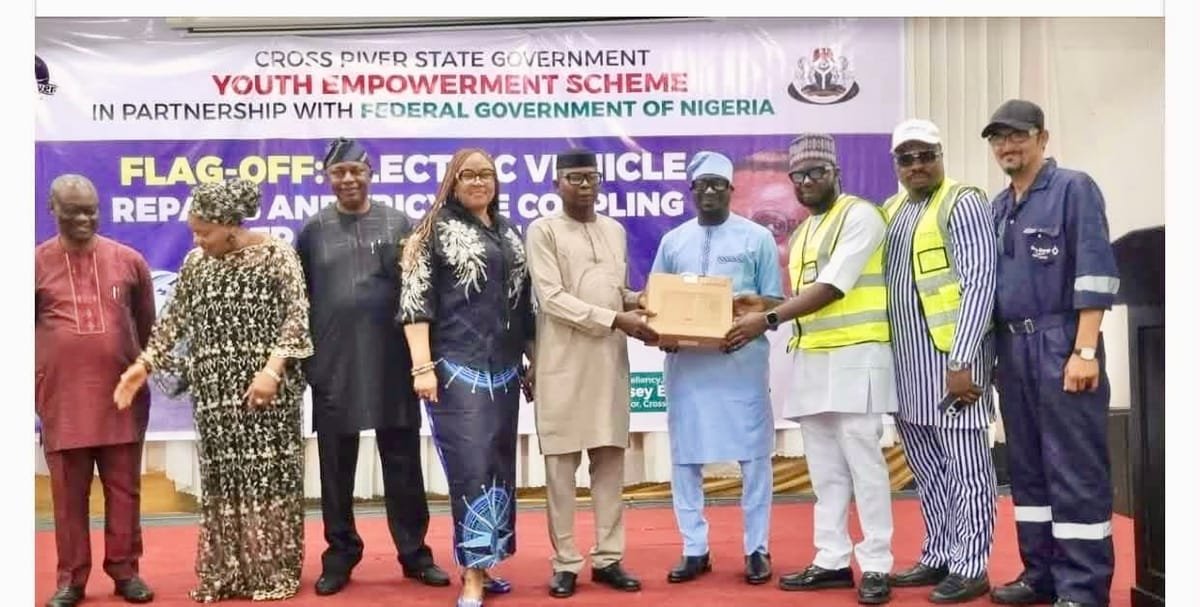
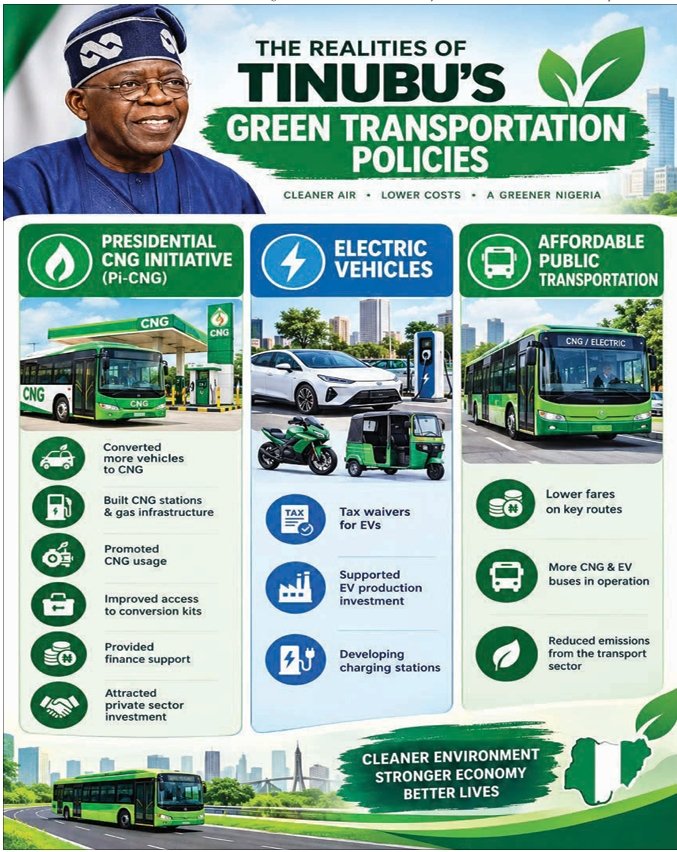
Also speaking, the Pi-CNG & EV Conversion Manager, Adaugo Uzogara, said that since May 2023 the initiative had established over 500 conversion centres and more than 90 refuelling stations across 25 states.
According to her, the effort had created many direct and indirect jobs, and she expressed hope that continued collaboration would carry CNG to all 36 states, offering cleaner, cheaper and safer energy.
Also speaking at the event, Billy Gillis-Harry, PETROAN president, described CNG adoption as a serious national issue that requires collective action to succeed.
For him, it has become necessary for stakeholders to critically examine how to make CNG work for the country.
“But this is a very serious matter, and it has come to the point where we must all look at how we can make CNG work for us,” he said.
According to him, the complaints, challenges and solutions raised at the conference point to issues that could undermine the economy if not addressed.
He said there was consensus among stakeholders that CNG remains the way to go.
“The critical thing here is that all of us agree that CNG is a good way to go, and therefore we endorse CNG,” he said.
He identified operational challenges, availability of infrastructure, funding and the need for training as critical issues requiring urgent attention.
According to him, the stakeholders at the meeting also affirmed support for fuel subsidy removal, describing it as a policy that had negatively impacted the economy in the past and should not be reversed.
“We have already brought out the facts that funding is inadequate. Infrastructure is inadequate. And we must all work with the government to ensure that CNG is adopted and penetrates Nigeria,” he said.