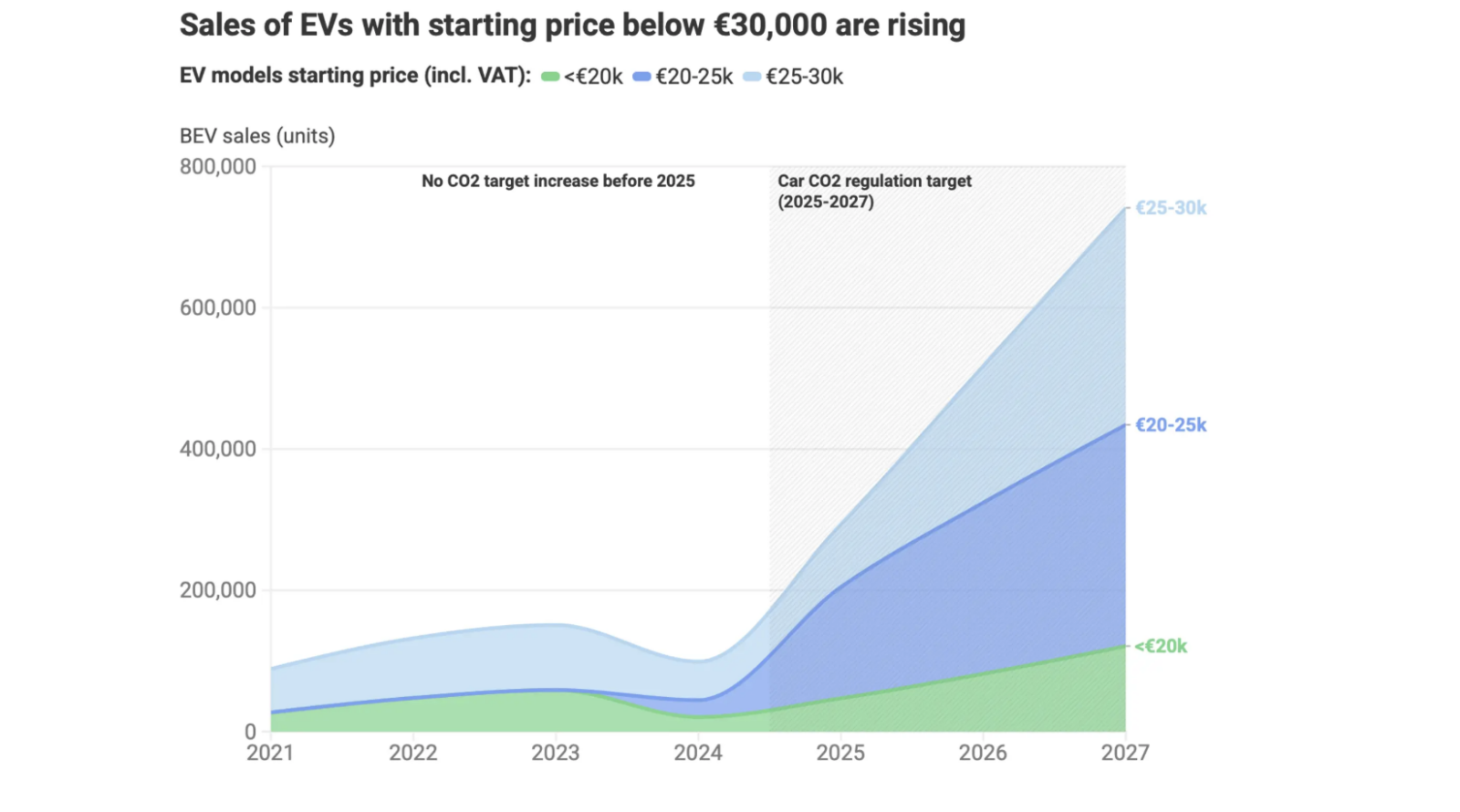
The number of drivers opting for electric vehicles is only rising, and with it, the charging infrastructure network. By 2030, it is estimated that there will be 300,000 public EV charge points in the UK, and an even higher number of domestic and workplace chargers. This rapid rollout of EV charging infrastructure will increase demand on the grid, causing localised strain, particularly at peak times.
A Battery Energy Storage System (BESS) for EV chargers stores electricity, either from the grid or renewable sources, and releases it on demand. It acts as a buffer between the grid and EV chargers.
Many operators are opting for Battery Energy Storage Systems (BESS) coupled with smart charging technology to future-proof their EV charging capability. VPG are in a unique position, in where we can provide and advise on both! So lets take a look…
How Does Battery Storage Work at an EV Charging Site?
Battery Energy Storage Systems work by storing energy from the grid or renewables and discharging it when chargers require additional power. As demand for EV charging continues to grow, Battery Energy Storage Systems are becoming an essential part of commercial charging infrastructure. Here’s how it works:
- The battery takes power from the grid or renewables and stores it for later use.
- Smart energy management software monitors EV power demand and how much electricity is available.
- When an EV is plugged in, the charger begins to supply power directly from the grid or from the battery, according to demand and capacity.
- Using stored energy reduces pressure on the grid.
- Businesses benefit from a faster, more reliable power supply while reducing energy costs.
Peak Shaving Explained
Peak shaving is one of the biggest advantages of installing a Battery Energy Storage System (BESS) at an EV charging site. It helps businesses reduce energy costs by lowering the amount of electricity they draw from the grid during peak demand periods.
- Peak demand is the highest amount of electricity your site uses at any one time, e.g. when multiple vehicles are charging at the same time.
- Many electricity tariffs are based on demand; the higher your peak demand, the higher your energy costs can be.
- BESS allows businesses to use stored electricity during peak demand periods, improving stability and reducing energy costs.
- Sites with multiple rapid or ultra-rapid EV chargers benefit from Battery Energy Storage facilities.
How does it work in practice? Think about a workplace charging hub, where several vehicles plug in at the same time, creating a spike in power demand. Instead of drawing all the power from the grid, the BESS supplies part of the required electricity, reducing peak demand, lowering electricity costs, and ensuring drivers still receive a reliable charging experience.
Build a smarter fleet charging depot. We help businesses integrate battery storage with commercial EV charging to lower peak demand, improve charging reliability and reduce operational costs.
Intelligent Energy Management
Battery Energy Storage delivers exceptional value when combined with intelligent EV charging software. At Vital EV, our smart energy management solutions work alongside BESS to ensure your EV charging infrastructure operates as efficiently as possible.
Our Dynamic Power Management software ensures power is distributed fairly among connected vehicles based on real-time demand. Instead of each EV charger drawing maximum power simultaneously, available energy is intelligently shared, preventing overloads. And when demand increases, the Battery Energy Storage System provides additional power, reducing peak demand.
Vital EV’s charging solutions also support OCPP (Open Charge Point Protocol) allowing chargers, battery storage and energy management software to communicate through a single platform.
Take control of your site’s energy usage. Our intelligent charging solutions combine battery storage, load balancing and real-time energy management to optimise charging performance and reduce electricity costs.
Is Battery Storage Worth It?
Installing a Battery Energy Storage System (BESS) at your EV charging site offers significant benefits, improving energy reliability and reducing costs by lowering peak demand. They act as a power buffer, allowing operators to deliver high-speed charging without the need for costly grid upgrades. This type of investment is particularly worthwhile if your site features:
- DC fast chargers – require a powerful energy supply to charge EVs quickly.
- High peak demand times – motorway service stations, fleet depots and similar sites see multiple vehicles charging at the same time, often needing rapid charging capability.
- Restricted grid locations – rural or ageing sites often require expensive grid upgrades to support rapid charging of multiple charging facilities. BESS can remove the need to upgrade infrastructure.
Build a smarter fleet charging depot. We help businesses integrate battery storage with commercial EV charging to lower peak demand, improve charging reliability and reduce operational costs.
The Benefits of Battery Energy Storage for EV Charging Sites
Avoid Expensive Grid Upgrades
Many sites don’t have the required electrical capacity to support rapid EV chargers. Installing a Battery Energy Storage System provides an additional power supply, allowing station operators to offer fast charging without costly grid upgrades.
Reduce Peak Demand Charges
Utility providers often charge businesses higher prices based on their peak energy usage. Battery Energy Storage Systems reduce peak demand, thereby lowering electricity costs.
Integrate Renewables
BESS seamlessly integrates with on-site renewables like solar panels. This means excess solar energy can be stored and used during peak demand or overnight, lowering your carbon footprint.
Reliable Power
Storing electricity makes EV charging sites more robust and resilient to power outages or electrical fluctuations. A Battery Energy Storage System means EV chargers can continue to function, essential for businesses and public drivers.
Reduce energy costs while expanding your EV charging network. Talk to Vital EV about integrating battery storage with your commercial charging infrastructure.
From planning to installation, Vital EV delivers reliable charging infrastructure for everyone.
Talk to the EV charging experts today
Powering Commercial EV Charging with Battery Storage
Battery storage is rapidly becoming a key component of successful commercial EV Charging sites. As charging demand increases and grid capacity becomes more constrained, Battery Energy Storage Systems (BESS) help businesses deliver faster, more reliable charging while reducing operational costs and avoiding expensive infrastructure upgrades. When combined with intelligent energy management, load balancing, and renewable energy generation, battery storage creates a smarter, more resilient charging network built for long-term growth.
At Vital EV, we design and install complete commercial EV charging solutions that integrate battery storage, smart charging software and scalable infrastructure. Whether you’re developing a workplace charging scheme, fleet depot or public charging hub, our experts can help you maximise performance, reduce energy costs and future-proof your investment.
Ready to Enhance Your EV Charging Site? Contact Vital EV today to discuss battery storage, smart energy management and commercial EV charging solutions that maximise efficiency, reduce operating costs and support your long-term sustainability goals.