Global electric vehicle sales are set to hit a record 23 million units in 2026 as soaring fuel prices and ongoing geopolitical instability accelerate the shift away from petrol and diesel cars, according to the International Energy Agency (IEA).
The IEA’s new Global EV Outlook 2026 report forecasts electric vehicles will account for close to 30 per cent of all new cars sold globally this year, up from 25 per cent in 2025 when EV sales topped 20 million for the first time.
The agency said the current energy crisis linked to the conflict in the Middle East was reinforcing the appeal of EVs because of their lower running costs and reduced dependence on imported oil.
READ MORE: Unplugged! EV buying incentives to be reduced as sales spiral. Not everyone is happy
READ MORE: EVs continue to ride the sales boom in April: Almost one in six new cars sold were zero emissions battery electric
READ MORE: Australia’s EV sales storm as fuel crisis bites
“Electric car sales set new records in close to 100 countries last year. The growing popularity of EVs has marked a major shift for car markets and the energy system as a whole – and it is providing some relief now amid the largest oil supply shock in history,” said IEA Executive Director Fatih Birol.
“Looking ahead, the falls we have seen in battery prices and the potential policy responses to the current global energy crisis are set to provide further momentum in EV markets.”
The report said EV growth continued to accelerate in many regions despite slower demand in China and the United States during the first quarter of 2026 following policy changes in both countries.
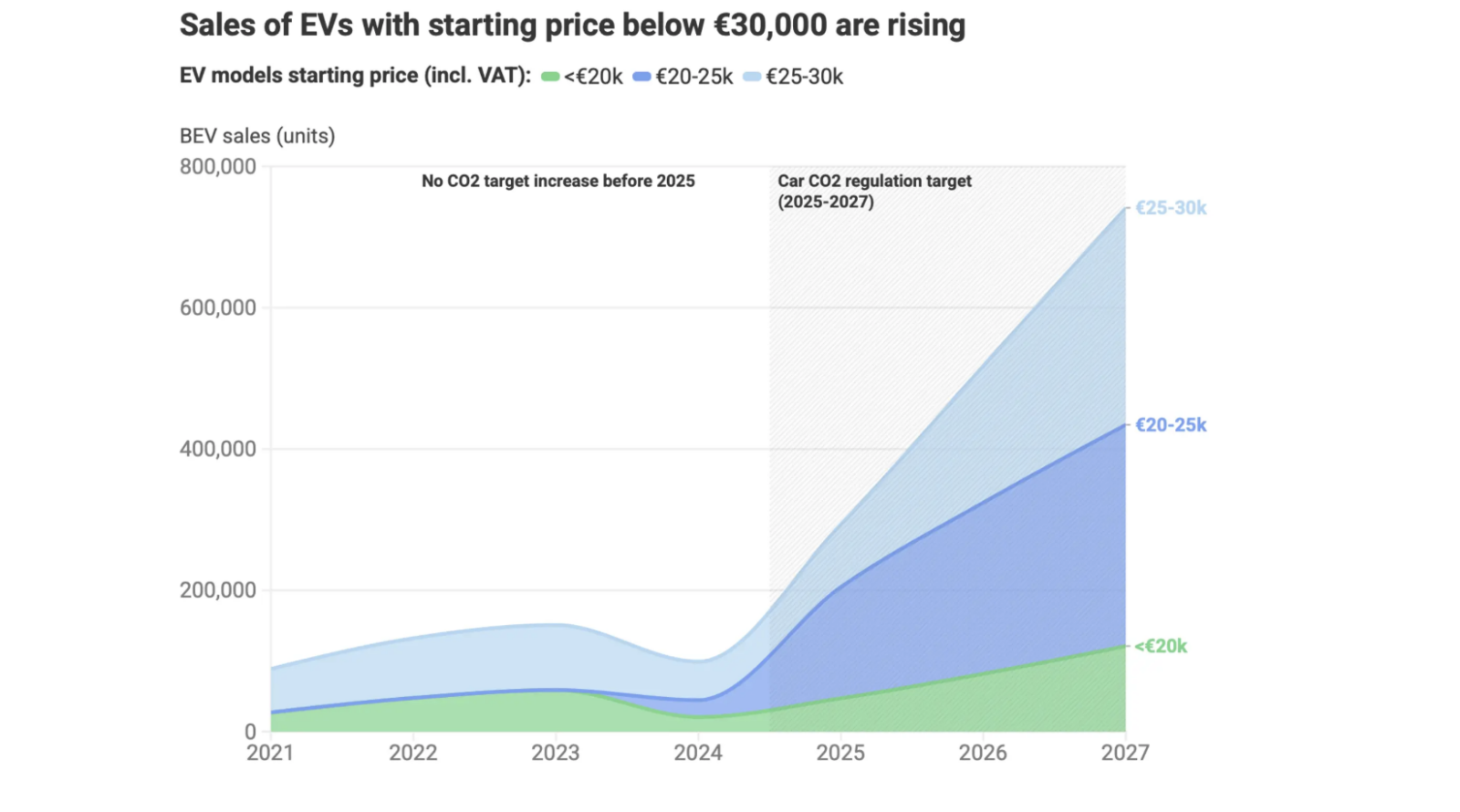
Europe recorded some of the strongest gains, with EV sales increasing by close to 30 per cent year-on-year in early 2026 following tighter emissions standards, while Southeast Asia emerged as one of the fastest-growing EV regions globally.
The IEA said more than 100 countries recorded EV sales growth during 2025, with electric vehicles accounting for at least 10 per cent of new-car sales in an increasing number of markets.
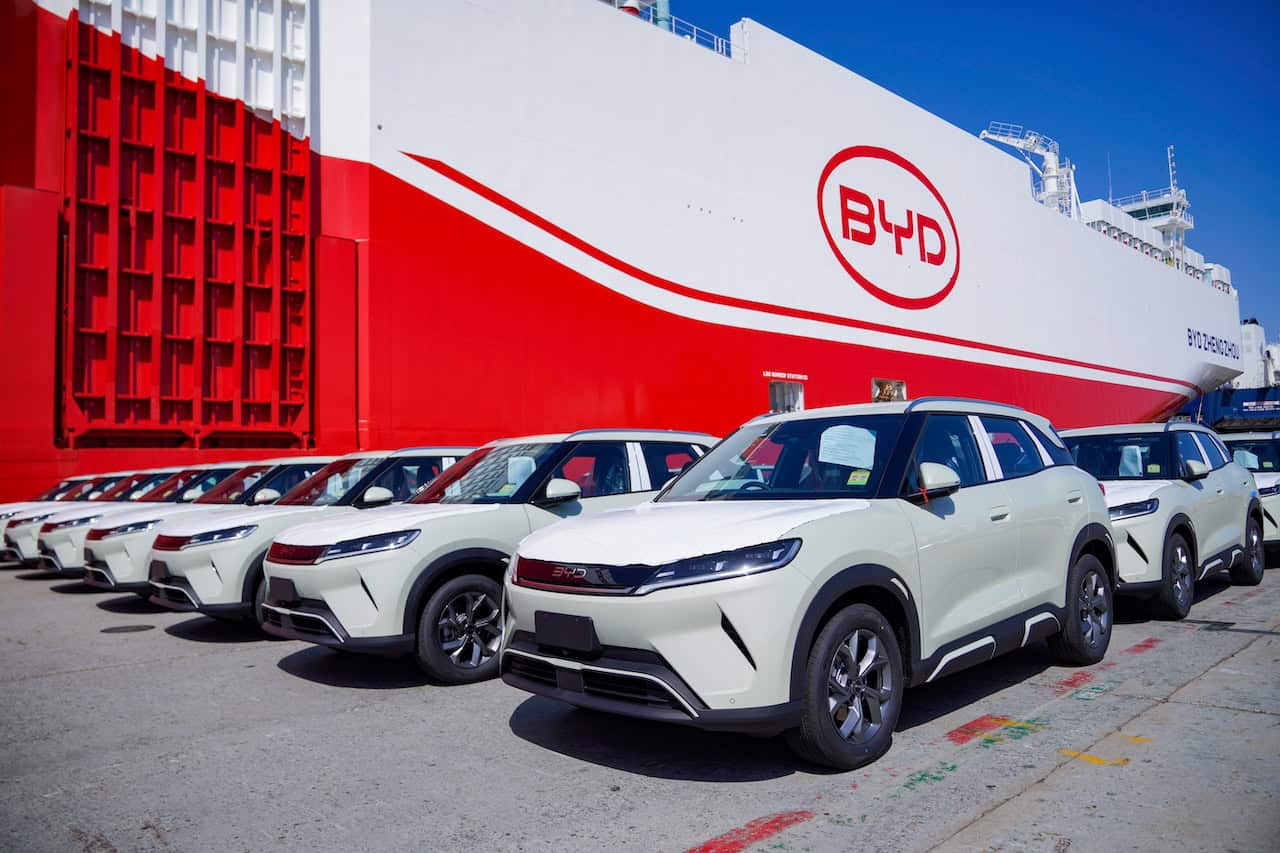
China remained dominant globally, accounting for around 60 per cent of EV sales and nearly three-quarters of worldwide EV production in 2025. Chinese manufacturers also doubled exports to more than 2.5 million vehicles as production outpaced local demand.
The report forecasts the global EV fleet could expand from almost 80 million vehicles today to as many as 510 million by 2035, even without additional policy support. Under the IEA’s modelling, EVs could account for around half of all new-car sales globally by 2035 while internal combustion vehicle sales continue to decline.
Electric truck sales also surged globally in 2025, more than doubling year-on-year, with electric models accounting for almost one in 10 trucks sold worldwide.
Australia was singled out as one of the countries experiencing a sharp rise in EV sales alongside higher fuel prices.
March 2026 was Australia’s biggest ever month for EV sales, while first-quarter EV sales were up around 65 per cent year-on-year.
The IEA also pointed to April data showing Australia recorded a 180 per cent increase in EV sales alongside a 34 per cent jump in petrol prices.
The Australian-based Electric Vehicle Council’s head of policy Aman Gaur said rising fuel prices were pushing more motorists towards EVs.
“With surging petrol prices and geopolitical uncertainty, people around the world are making the sensible decision to step into EVs which are cheaper to run and aren’t dependent on expensive, foreign fuels,” he said.
“The international growth is mirrored in Australia where a quarter of sales over the last two months have been electric. That’s because EVs are now more affordable than ever, are better, and can save people up to $3000 per year in running costs.”