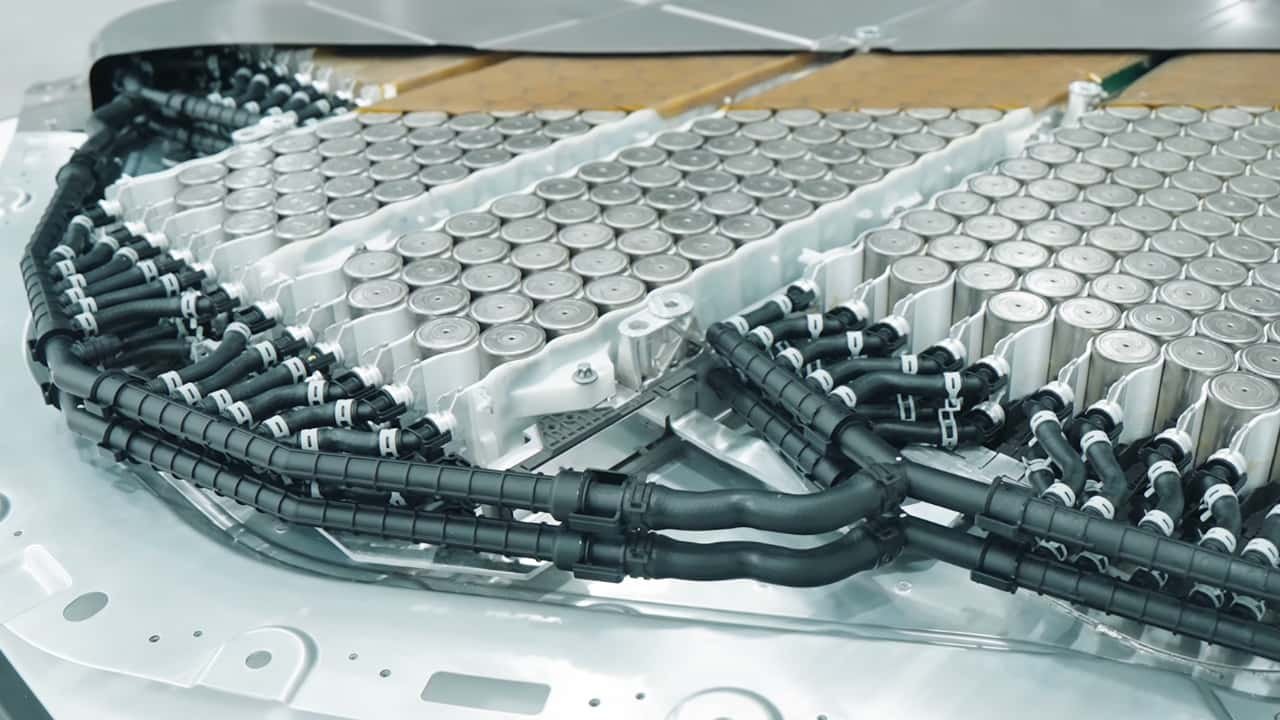
Chinese thermal management specialist XD Thermal has developed an integrated battery cooling architecture for an unspecified European electric bus platform, according to the company. The system combines liquid cooling with the battery housing and is designed to reduce component requirements while supporting different battery sizes and configurations.
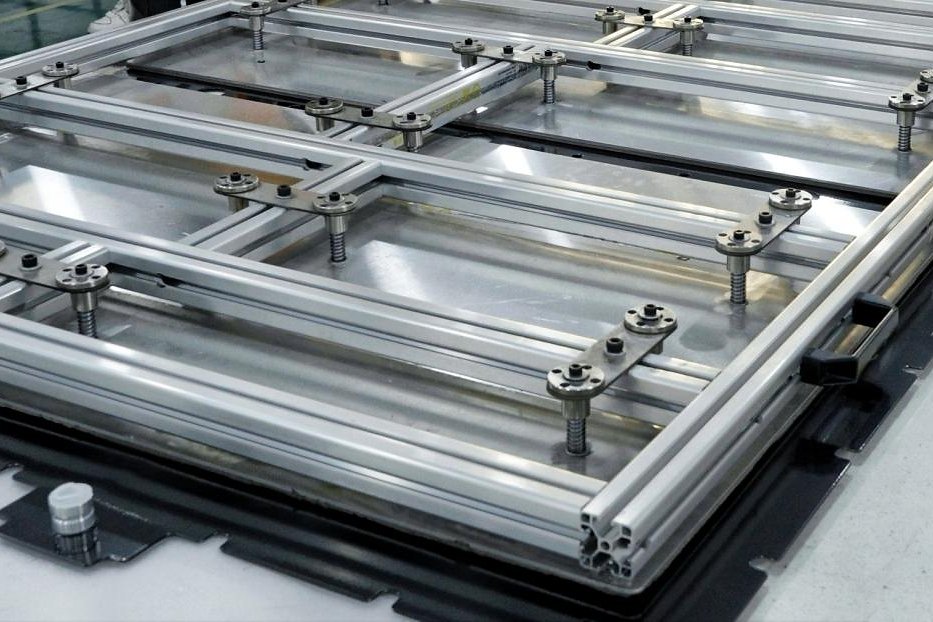
The electric bus platform uses battery modules with a capacity of 35.3 kWh. XD Thermal supplies liquid-cooled battery housings featuring stamped cover plates, allowing heat to be dissipated from both sides of the battery modules.
Cooling Integrated Into Battery Housing
Unlike conventional systems that use separate cooling plates, XD Thermal integrates parts of the thermal management system directly into the battery housing. The company says this approach reduces the number of cooling-related components by around 25% and eliminates several assembly steps.
EV Battery Recycling in Europe Faces €1.90 per Kg Economic Loss, Study Finds
The multiple thermal interfaces are also intended to provide more uniform heat distribution across the battery system. According to XD Thermal, this could support the service life of lithium-ion batteries.
However, the company has not disclosed detailed figures for cooling performance, temperature distribution or battery lifespan. Independent testing confirming the claimed advantages is also not currently available.
Sealing Becomes A Key Challenge
Integrating cooling functions into the battery housing creates additional design and manufacturing requirements, particularly around sealing.
XD Thermal said the various interfaces, joints and sealing paths had to be tested both individually and in combination. The company developed dedicated testing equipment and gradually introduced air and helium leak testing to identify potential leaks before approval.
Coating the different surfaces presented another manufacturing challenge. Different areas require insulating or thermal barrier materials, leading XD Thermal to develop specialized suspension and masking processes for applying coatings to more complex geometries.
“Once cooling becomes part of the housing, the design boundary changes,” said Xu, Technical Director at XD Thermal.
The company said the development focus shifts from optimizing an individual cooling plate to managing the thermal performance of the entire battery structure while maintaining suitability for series production.
Prototype Reached Production Readiness In Two Months
XD Thermal said it delivered its first prototype after approximately six weeks, with the design reaching series-production readiness after around two months.
Asahi Kasei Opens Battery Separator Coating Line in North Carolina
The company attributed the development speed to parallel cooperation between its thermal management, design, process, quality and production teams. Experience gained during prototype construction could therefore be incorporated directly into subsequent development work.
Architecture Designed For Multiple Platforms
XD Thermal said the cooling architecture can be adapted to different vehicle platforms, battery dimensions and capacities without requiring the underlying cooling concept to be redesigned.
Since early 2025, the company has also expanded production capacity for large-format battery cooling components. According to XD Thermal, those capabilities are now being used for additional electric bus and heavy-duty vehicle projects.
Battery and thermal management integration is becoming increasingly important in electric commercial vehicles, where available space and vehicle weight must be optimized alongside battery performance.
SK Innovation to Merge SK IE Technology in Battery Separator Restructuring
Other suppliers are also developing modular and integrated thermal management solutions for electric commercial vehicles. Mitsubishi Heavy Industries, for example, recently introduced a cooling system for electric trucks in which individual components can be arranged flexibly to accommodate the space constraints created by traction batteries.