adminis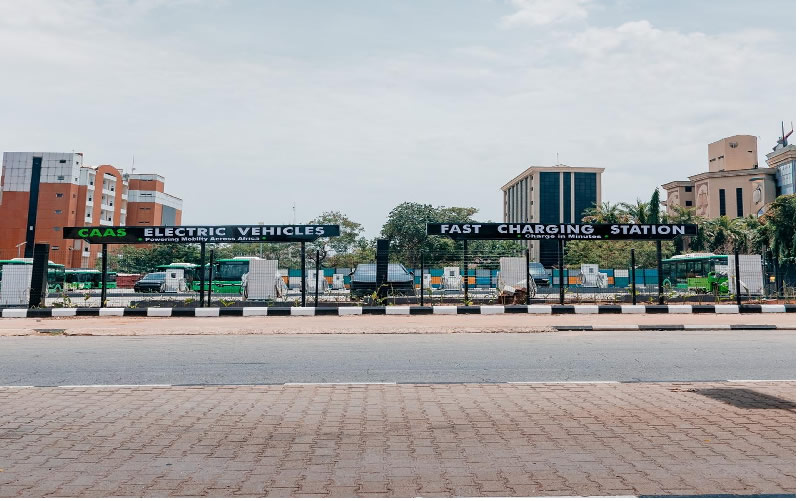
Possible Electric Mobility has unveiled what it described as Africa’s largest electric vehicle charging hub in Abuja, with the capacity to charge more than 1,000 electric vehicles daily, as government policy drives private-sector investment in clean transport infrastructure.
In a statement on Thursday, the company said the facility, which is nearing full operation, would strengthen Nigeria’s position in Africa’s emerging electric mobility sector and support the country’s transition to sustainable transportation.
The development comes as the Federal Government pushes policies aimed at accelerating electric vehicle adoption, including the removal of import duties on electric vehicles and mass transit buses.
Industry stakeholders said the policy direction has improved affordability and encouraged investment in charging infrastructure and electric mobility services.
Possible Electric Mobility stated that the Abuja charging hub ranks among the highest-capacity EV charging facilities globally and will support high-volume daily use for electric buses and commercial fleets.
The company operates an integrated business model that combines vehicle financing, charging infrastructure powered by CAAS, and dedicated fleet maintenance to ease the transition to electric mobility for transport operators.
Speaking about the project, Founder and Chief Executive Officer of Possible Electric Mobility, Mosope Olaosebikan, said the investment would help build a scalable electric transport ecosystem in Nigeria.
“This is not just about infrastructure. It is about building the system that enables electric mobility to scale in Nigeria. We are creating the platform that allows operators to transition seamlessly at scale,” Olaosebikan noted.
Analysts said large-scale charging infrastructure remains critical to the deployment of electric buses across major cities as Nigeria seeks to reduce transportation costs, lower emissions, and reduce dependence on fossil fuels.
The unveiling also reflects growing momentum within Nigeria’s clean transport sector as investors respond to policy incentives designed to position the country as a leader in Africa’s electric vehicle transition.
Following the Abuja project, Possible Electric Mobility stated that it plans to expand its charging infrastructure network across Nigeria and other parts of West Africa to support sustainable mobility across the region.
Arinze Nwafor is a journalist at Punch Newspapers with five years of experience reporting on Nigeria’s economy, industry, data, metro, and judiciary. He focuses on highlighting growth, policy, and market challenges shaping Africa’s largest economy. Arinze’s reporting reflects practical newsroom experience, editorial judgment, and a strong commitment to accurate, informative, and audience-focused journalism.