Fees could take effect under emergency authority before public comments are due.
The Moore Administration announced yesterday that it plans to use Maryland’s Strategic Energy Investment Fund to cut in half the cost of registering electric vehicle chargers with the state’s Weights and Measures program. SEIF is funded by Maryland utilities, therefore ratepayers, and was created to support renewable energy and reduce greenhouse gas emissions. In recent years it has become a go-to source for plugging state budget gaps. Now MDA wants a piece of it too.
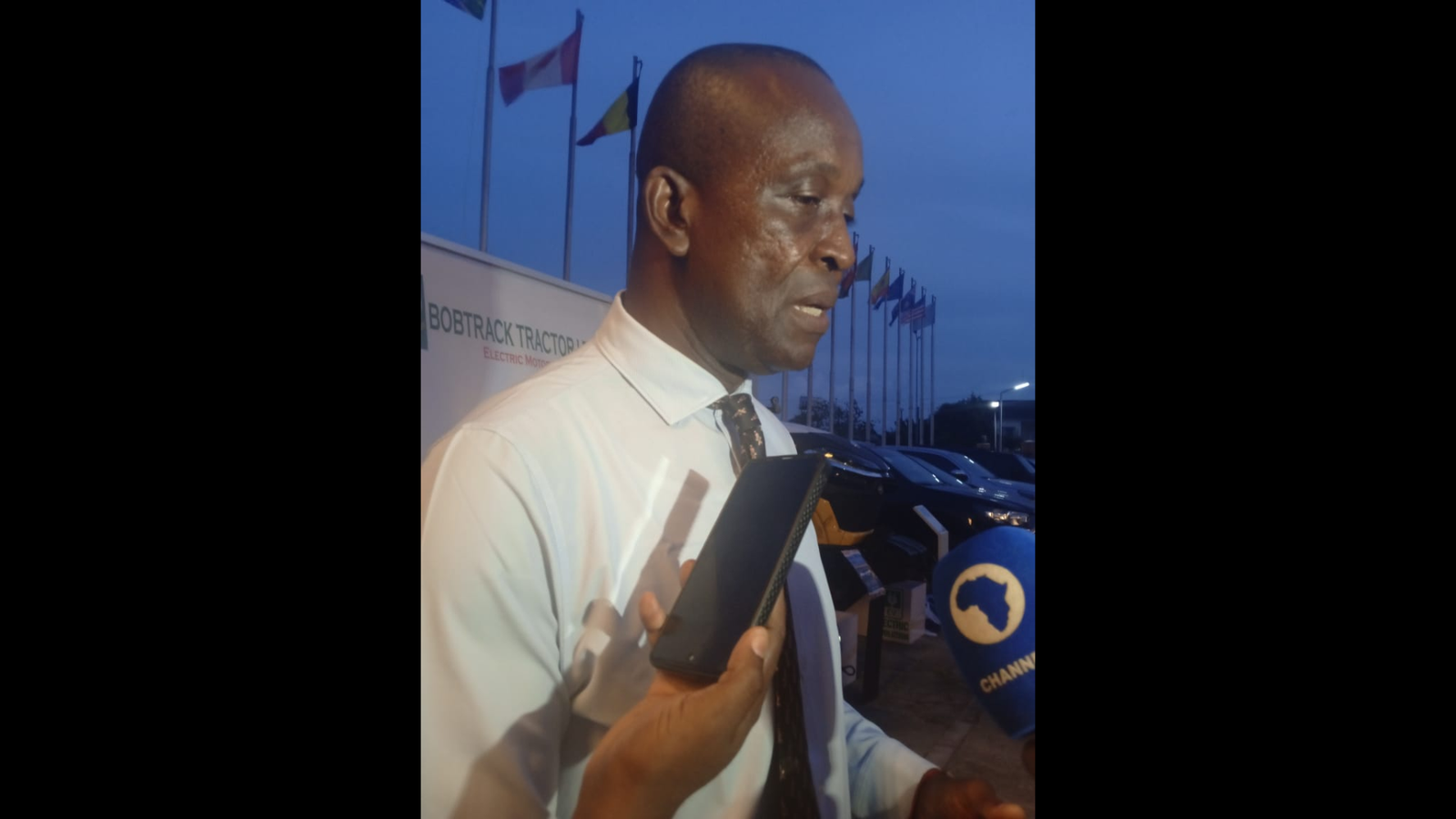
Secretary Kevin Atticks told about 65 stakeholders on a Zoom call yesterday morning that MDA will file emergency regulations today reducing the annual per-port EVSE registration fee from $150 to $75. The other $75 will come from SEIF through an agreement with the Maryland Energy Administration. A current MOU covers $900,000 for equipment, staffing, and training. A second agreement covering five more years of ongoing program costs is still being negotiated. The total public commitment was not disclosed.
The emergency regulations, if approved by AELR, would take effect May 15 and remain in place for up to 180 days. Atticks described the purpose as giving industry confidence to register at the $75 fee before the July 1 deadline. At the same time, a standard regulatory proposal with the same language will be filed. This standard proposed action will open for a 30-day public comment period on May 15.
Whatever public comments produce, the $75 fee will have been in place, invoices will have gone out, and the program will be running. At that point, changing course based on public input will have much more resistance. Comments that arrive after the fact carry less weight than comments that arrive before the decision is made. That is the whole point of a comment period, and it is what the emergency action skips.
SEIF fund auditor concerns
Yesterday’s announcement landed on the same day as a Maryland Matters story reporting that state auditors had raised concerns about a separate SEIF expenditure, a $25,000 payment from the Maryland Department of the Environment to Veloz, a California EV nonprofit. Auditors found MDE could not provide written documentation showing it had analyzed the benefits to Maryland before making the payment. Internal emails showed staff pressed to process it quickly.
Who actually pays the fees
For most Level 2 chargers, the fee falls on whoever owns the hardware, which is usually not the charging network. ChargePoint, Blink, and similar companies provide the software platform and payment processing, but the charger is typically owned by the business, property manager, employer, or institution that installed it. The fee reduction benefits that group directly.
Advocates have argued that the original $150 fee was too high and risked discouraging those incidental EV charging hosts. A four-port Level 2 station was facing $600 a year in fees in addition to potential penalties for violations and expensive maintenance from registered service agents who are approved by the state to put EV charging equipment into service. The reduction to $75 per port would bring the annual fees for that four-port station to $300. The question remains whether MDA looked for ways to cut its own costs before reaching for SEIF money.
For DC fast chargers, the ownership picture is different. Tesla owns and operates its Maryland Superchargers directly. According to MDOT data as of March 31, 2026, Tesla operates 644 DC fast charging ports in Maryland. At $75 per port rather than $150, Tesla’s annual registration bill drops from $96,600 to $48,300. That $48,300 annual difference will come from SEIF. Electrify America, which also owns its hardware, operates 139 DC fast ports in Maryland and will save roughly $10,425 per year under the same arrangement.
The SWTCH network’s MDOT-reported 229 Maryland DC fast charger ports are largely owned by utilities including BGE, Pepco, Delmarva Power, and SMECO under a pilot program overseen by the Public Service Commission. Maryland ratepayers are already funding those chargers through their utility rates. Under the proposed SEIF arrangement, ratepayers would now also cover the Weights and Measures registration fees for those same utility-owned chargers. Potomac Edison runs its PSC pilot chargers on the ChargePoint network under the same framework.
A consumer protection gap hiding in plain sight
Secretary Atticks described one category of chargers subject to the registration requirement as “public utility chargers from investor-owned companies.” That language may matter more than it sounds. SMECO, the Southern Maryland Electric Cooperative, is not an investor-owned utility. It is a cooperative. If the regulations are filed with that exact language, SMECO-owned public chargers where a fee is charged may fall outside the registration requirement entirely. Nobody raised this at yesterday’s briefing and MDA did not address it. A driver pulling up to a SMECO-owned public charger has the same interest in accurate metering and transparent pricing as a driver at any other station. The equipment is the same. The transaction is the same. The consumer protection rationale does not change based on who owns the utility.
Why emergency action?
Secretary Atticks justified the emergency regulations by pointing to a July 1, 2026 registration deadline. MDA had set that deadline on December 23, 2025 when it sent out a press release extending the original January 1, 2026 deadline.
Under Maryland law (State Government Article Section 10-111(b)), an agency may petition the AELR Committee to set aside the normal regulatory process only when emergency conditions exist.
At least one participant pushed back. Bob Erdman asked directly why MDA was not taking a more deliberate approach and whether speed was more important than getting the program right. Atticks pointed to the July 1 deadline in response.
Getting the fee right matters. So does getting the process right
Maryland has set a goal of 1.1 million EVs on the road by 2030. With roughly 152,000 registered as of March 31, 2026, the state has a long way to go. That growth depends on a public charging network that keeps expanding, especially for drivers who cannot charge at home. The original $150 per-port fee threatened to push marginal Level 2 hosts out of the market. The fee reduction is a response to a real problem.
But before committing an open-ended ratepayer subsidy from a fund created for renewable energy programs, MDA should have been able to answer a straightforward question: did you look at cutting your own costs first?
Stakeholders in the chat in yesterday’s meeting suggested potential cost-reduction actions such as sampling-based inspections rather than testing every port every year or a tiered approach that distinguishes between high-volume commercial fast chargers and low-margin Level 2 amenity hosts.
Instead, the Moore Administration is proposing to divert SEIF money, under emergency authority, to fix a problem that MDA’s own fee-setting methodology created. The SEIF fund is already under scrutiny for an EV-related payment that state auditors say lacked proper process.
Maryland’s ratepayers and EV drivers deserve a better response than treating this clean energy fund as a convenient source for costs that belong in MDA’s own budget.
What you can do
Watch for the May 15 Maryland Register and submit public comments during the 30-day window. Contact your state delegate and senator now, before the AELR Committee acts on the emergency action request. If you have questions about the program, you can submit them to MDA Chief of Staff Harrison Palmer at harrisonb.palmer@maryland.gov.
Related
Discover more from Plug-In Sites
Subscribe to get the latest posts sent to your email.