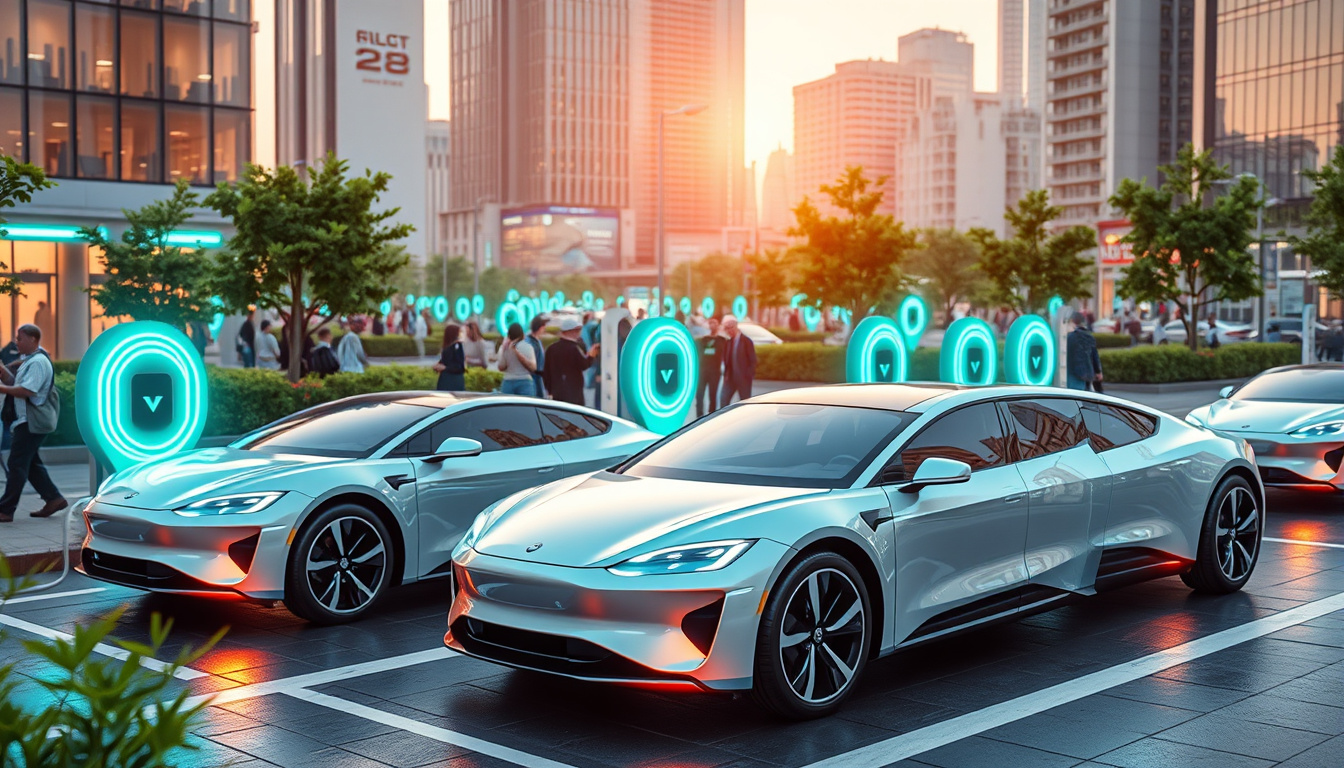
The automotive industry is undergoing a significant transformation, driven by the need for sustainable transportation solutions in an era of environmental consciousness.
One of the most exciting innovations in this space is wireless EV charging technology, which promises to streamline the charging process for electric vehicles (EVs) and enhance their accessibility.
This article will delve into the intricacies of wireless EV charging, explain how it works, explore its numerous advantages, discuss current market solutions, address the challenges to its widespread adoption, and examine what the future holds for this revolutionary technology.
Wireless EV Charging Technology’ style=’display: block; margin: auto; max-width: 100%; height: auto;’>
Key Takeaways
- Wireless EV charging utilizes electromagnetic fields to transfer energy, offering a convenient alternative to traditional plug-in charging.
- The technology promotes sustainable transportation by enabling more accessible charging solutions for electric vehicles.
- Current market solutions for wireless EV charging include inductive charging pads and strategic partnerships among automakers and tech companies.
- Key challenges include high installation costs and the need for standardization across different vehicle models.
- The future of wireless EV charging holds potential for widespread adoption, contributing significantly to the growth of electric vehicle infrastructure.
Introduction to Wireless EV Charging Technology
As electric vehicles (EVs) continue to gain popularity globally, innovative technologies are emerging to enhance their convenience and functionality.
One of the most exciting advancements in this sector is wireless EV charging, a technology that promises to revolutionize the way we charge our electric cars.
Unlike traditional charging methods that require physical cables and connectors, wireless EV charging utilizes electromagnetic fields to transfer energy between a charging pad on the ground and a receiver installed in the vehicle.
This seamless, cable-free experience not only simplifies the charging process but also reduces wear and tear on both the charging equipment and the vehicle.
As we delve deeper into the implications and benefits of wireless EV charging, it becomes clear that this technology could play a crucial role in accelerating the adoption of electric vehicles, promoting sustainable transportation solutions, and ultimately contributing to environmental conservation.
How Wireless EV Charging Works
Wireless EV charging, also known as inductive charging, utilizes electromagnetic fields to transfer energy between two coils: a stationary coil placed on the ground and a moving coil placed underneath the electric vehicle (EV).
When the vehicle is parked over the charging pad, the stationary coil generates a magnetic field that induces an electric current in the vehicle’s coil, subsequently charging the battery without the need for physical connectors.
This innovative technology offers a seamless charging experience, allowing drivers to simply park their EV over the charging pad without worrying about plugging in cables.
With the rise of wireless EV charging stations in homes and public spaces, this method presents a convenient alternative to traditional plug-in charging solutions, promoting wider adoption of electric vehicles among consumers.
‘The best way to predict the future is to invent it.’ – Alan Kay
 Wireless EV Charging‘ style=’display: block; margin: auto; max-width: 100%; height: auto;’>
Benefits of Wireless EV Charging
Wireless EV charging offers a revolutionary approach to powering electric vehicles, eliminating the hassle of tangled cords and connectors.
This cutting-edge technology utilizes electromagnetic fields to transfer energy from a charging pad embedded in the ground to a receiver installed in the vehicle.
One of the primary benefits of wireless EV charging is its convenience; drivers can simply park over the charging station and allow the vehicle to charge automatically, significantly enhancing user experience.
Additionally, this method can be integrated into public infrastructure, such as parking lots and roadways, promoting accessibility for all EV users.
Moreover, wireless EV charging systems can reduce wear and tear on physical charging connectors, thereby lowering maintenance costs.
With the growth of electric vehicles on the roads, the adoption of wireless EV charging can play a pivotal role in fostering a more sustainable and efficient future.
Current Wireless EV Charging Solutions on the Market
As the demand for electric vehicles (EVs) continues to surge, so does the need for innovative charging solutions that enhance user convenience.
Wireless EV charging has emerged as a front-runner in this evolution, allowing electric vehicles to recharge without the hassle of plugging in.
Currently, several innovative wireless EV charging solutions are available on the market, leveraging magnetic resonance technology to transfer energy between the charging pad and the vehicle.
Companies like WiTricity and Qualcomm have pioneered systems that can deliver efficient and safe power transfer, even at a distance of several inches.
These systems not only support overnight charging in residential areas but are also paving the way for dynamic charging applications in public spaces, where vehicles can receive charge while in motion.
With ongoing advancements and increased investment in these technologies, wireless EV charging is set to play a pivotal role in the future of sustainable transportation.
 Wireless EV Charging Adoption’ style=’display: block; margin: auto; max-width: 100%; height: auto;’>
Challenges Facing Wireless EV Charging Adoption
As electric vehicles continue to gain popularity, wireless EV charging emerges as a groundbreaking solution aimed at enhancing convenience and efficiency.
However, several challenges hinder its widespread adoption.
Firstly, the cost of implementing the necessary infrastructure can be prohibitively high for both manufacturers and consumers.
The technology required for wireless charging, including inductive pads and transmitters, adds to the initial investment, potentially deterring buyers from making the switch.
Additionally, there are concerns regarding charging efficiency; current systems may not match the speed of traditional plugged-in charging, leading to longer wait times for users.
Moreover, standardization remains a significant hurdle, as the lack of universally accepted protocols can complicate compatibility between vehicles and charging stations.
Finally, public awareness and education about the benefits and workings of wireless EV charging play a critical role, as many potential users may not fully understand how this innovative system operates or its advantages over traditional charging methods.
Addressing these challenges is crucial for the successful integration of wireless EV charging into the mainstream automotive market.
The Future of Wireless EV Charging
As the electric vehicle (EV) market continues to grow exponentially, innovations like wireless EV charging are at the forefront of technology evolution in the automotive sector.
Wireless EV charging represents a paradigm shift in the way we power our vehicles, offering convenience and efficiency that traditional charging methods lack.
This technology employs electromagnetic fields to transfer energy between two coils—one mounted on the EV and the other on the charging pad—allowing for seamless charging without the need for physical cables.
The future of wireless EV charging not only promises to enhance the user experience by eliminating the hassle of plugging in but also aims to integrate with smart city infrastructures, enabling dynamic charging solutions that adapt to urban environments.
As battery technology improves and wireless charging systems become more widely adopted, the potential for widespread use in homes, parking lots, and public charging stations signifies a crucial step toward sustainable transport and reducing our carbon footprint.
 Wireless EV Charging on Sustainable Transportation’ style=’display: block; margin: auto; max-width: 100%; height: auto;’>
Conclusion: The Impact of Wireless EV Charging on Sustainable Transportation
In conclusion, the emergence of wireless EV charging represents a pivotal shift in the landscape of sustainable transportation.
By enabling seamless and convenient charging for electric vehicles without the need for physical connections, this innovative technology holds the potential to significantly enhance the broader adoption of EVs.
Its integration into urban planning could alleviate range anxiety for drivers while promoting greener city infrastructures.
Moreover, wireless EV charging can facilitate the use of electric fleets in public transport, reducing greenhouse gas emissions and supporting global sustainability goals.
As research and development continue to refine the efficiency and affordability of wireless EV charging systems, we can expect to see a transformative impact on both consumer behavior and environmental policies, ultimately contributing to a cleaner, more sustainable future for transportation.
Frequently Asked Questions
What is wireless EV charging and how does it work?
Wireless EV charging is a technology that allows electric vehicles (EVs) to charge without the need for physical cables or plugs.
It works through a process called inductive charging, where an electromagnetic field transfers energy between a charging pad on the ground and a receiver on the vehicle.
What are the main benefits of wireless EV charging?
The main benefits of wireless EV charging include convenience, as users don’t have to plug in their vehicles; reduced wear and tear on charging connectors; potential for charging while parked in public areas without dedicated charging stations; and the facilitation of charging in various scenarios, such as during short stops or while driving in dedicated lanes.
What are some current solutions available for wireless EV charging?
Some current solutions for wireless EV charging include systems by companies like WiTricity, Qualcomm Halo, and Plugless.
These systems primarily focus on home charging installations and some public infrastructure, demonstrating the viability of the technology.
What challenges does wireless EV charging face in terms of adoption?
Challenges facing wireless EV charging adoption include high installation costs, standardization issues across different vehicle manufacturers, efficiency concerns compared to wired charging, and the need for suitable infrastructure in urban and rural areas.
What does the future look like for wireless EV charging technology?
The future of wireless EV charging looks promising as advancements in technology continue to improve efficiency, reduce costs, and address compatibility issues.
With growing interest in sustainable transportation and electric vehicles, wireless charging may become a standard feature in the EV market, enhancing user experience and supporting the transition to greener transport options.