adminis
*Monopolistic tendency on display – Sources
*Allowing a single entity to control entire value chain dangerous – NMDPRA
*Need to look beyond immediate imperative
By Dauda Ismail
About a week ago, Nigerians awoke to the news of Dangote Petroleum Refinery’s plan to begin nationwide distribution of Premium Motor Spirit and diesel from August 15, 2025.
The company said it is deploying 4,000 brand-new Compressed Natural Gas, CNG, powered tankers to boost delivery capacity and improve access to fuel across the country, saying the offer is open to marketers, petrol station dealers, manufacturers, telecoms operators, aviation firms, and other large-scale fuel users.
The refinery also disclosed plans to support distribution through the establishment of daughter booster CNG stations and a dedicated fleet of over 100 gas-powered tankers, adding that the logistics support, including free product delivery, was designed to eliminate distribution bottlenecks and bring down operational costs in key sectors of the economy.
Recall that the President of the Dangote Group and founder of the Dangote Petroleum Refinery, Aliko Dangote, had during an interview with newsmen following the recent visit of President Bola Tinubu to the $20bn refinery in Lekki, Lagos State, hinted on making an announcement of what he calls “a major ‘shakedown’ in the entire country soon,” which he had promised was not about price reduction, but the complete overhaul of the downstream sector.
But while a few experts have lauded this development, saying it would ease the bottlenecks bedeviling seamless distribution over the years, many others believe this is a perfection of a monopoly long envisaged which they say, Aliko Dangote is known for.
According to Joshua Ekwunife, a freelancer who has worked in the petroleum industry for over two decades, “this is a typical example of monopoly at its peak. This is Dangote frustrating other big time oil marketers and depot owners out of business by taking over the sector completely.
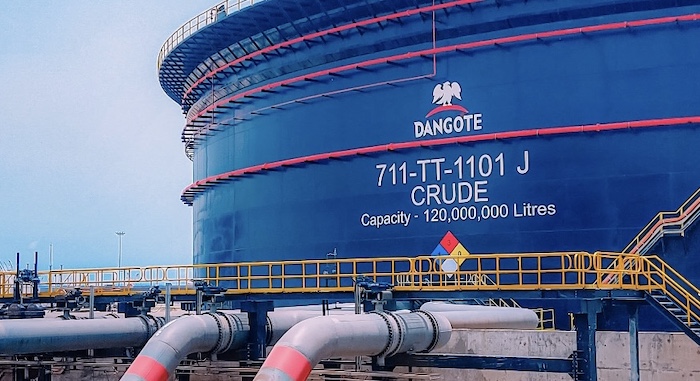
“With this new arrangement by Dangote Refinery which bypasses many of the hurdles that marketers and petrol stations have battled with such as exorbitant depot charges, and erratic product availability and other bottlenecks with the supply chain, the biggest losers are no doubt the petroleum depot owners. Usually, depots served as critical storage and distribution hubs, charging fees for handling and reselling fuel.
“As Dangote begins to supply directly to retailers, many depots, mostly those without strong logistics networks will possibly go obsolete. Depot owners who relied solely on storage fees are in trouble as Dangote’s refinery has its own massive storage capacity, so why would marketers go through depots anymore?
So you can see that while being masked as favouring the retailers and consumers, it actually a well calculated, orchestrated move to stamp his feet as having the final say in the petroleum industry from refining to retailing. I don’t know what else this is called if not a brazen monopoly.”
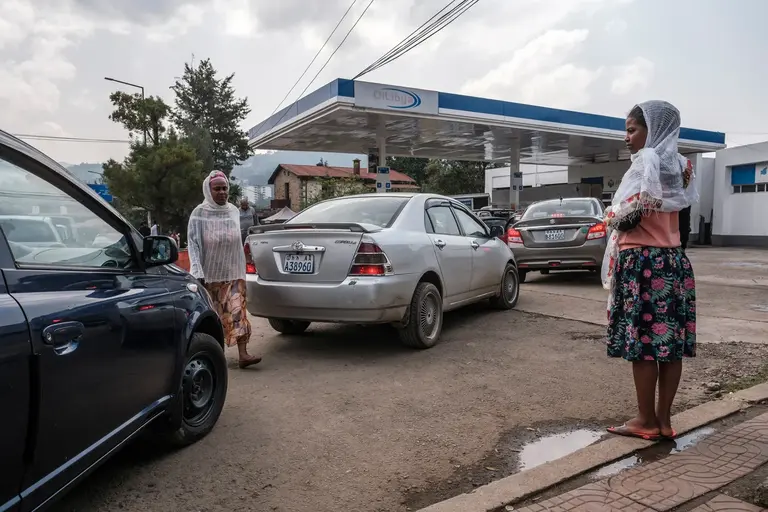
According to the National President of the Petroleum Products Retail Outlets Owners Association of Nigeria, PETROAN, Dr. Billy Gillis-Harry, Dangote Refinery’s new move could pose a significant job loss threat to Nigeria while many fuel stations would be forcefully shutdown, warning that over 10,000 licensed retail outlets depend on an open fuel market, which could collapse if Dangote becomes the sole distributor.
“This massive refinery, one of the largest in sub-Saharan Africa, is expected to satisfy domestic fuel demand and export surplus products.PETROAN has previously raised alarms about Dangote’s intentions to dominate the downstream sector, citing concerns that the company may leverage its market power to fix prices, limit competition, and exploit consumers, much like it has done in other sectors.
“PETROAN warns that Dangote’s tactics may include a pricing penetration strategy, where they reduce prices to capture market share, with the ultimate goal of forcing other filling station operators to quit the market. This could lead to a massive shutdown of filling stations across Nigeria, resulting in widespread job losses”, he said.
Speaking further, Gillis-Harry said the introduction of 4,000 brand-new CNG-powered tankers by Dangote Refinery posed a significant threat to the livelihoods of thousands of truck drivers and owners, and that while CNG trucks may offer a lower cost of transporting petroleum products, the shift could lead to widespread job losses in the industry.
Speaking on its impact on various stakeholders, he said the adoption of a forward integration strategy by Dangote Refinery would greatly affect Modular Refineries, because their operations and market share may be threatened by Dangote’s dominance.
He said it would affect the Truck Owners because job losses could occur due to its direct supply and CNG-powered tankers while Filling Station Operators may shut down forcefully due to Dangote’s pricing penetration strategy and dominance.
“It will affect local suppliers of petroleum products and telecom diesel suppliers because their businesses may be negatively impacted by Dangote’s direct supply to end-users.
“It is obvious that Dangote plans to gain full monopoly of the downstream sector, which would enable the company to exploit Nigeria’s petroleum consumers.
“This could lead to higher prices, reduced competition, and decreased economic efficiency”, he said, calling on the Nigerian Midstream and Downstream Petroleum Regulatory Authority, NMDPRA, and the Ministry of Petroleum to put in place price control mechanisms to prevent any form of monopoly and protect consumers.
In this vein, PETROAN issued a warning about the potential negative consequences of Dangote Refinery’s planned nationwide distribution of petroleum products, cautioning that allowing a single entity to control the entire value chain — refining, supply, distribution, and retail — poses a serious threat to market fairness and competition.
The association voiced its concerns alongside other industry stakeholders who fear the dangers of a monopolised fuel sector.
According to Shuna Fakum, a public affairs analyst, “while this new idea of Dangote appears a laudable step, the regulators and Nigerians in general should look beyond the short-term gains and pole into the long-term effects of this idea. Not only would it leave Nigerians at the mercy of just one individual, owing to the significant role the prices f petroleum products play in the overall economic makeup of our country, but this kind of monopoly would put not only depot owners and distributors in the hands of Dangote, but consumers and the entire nation would be in the whims and caprices of the Dangote group.”