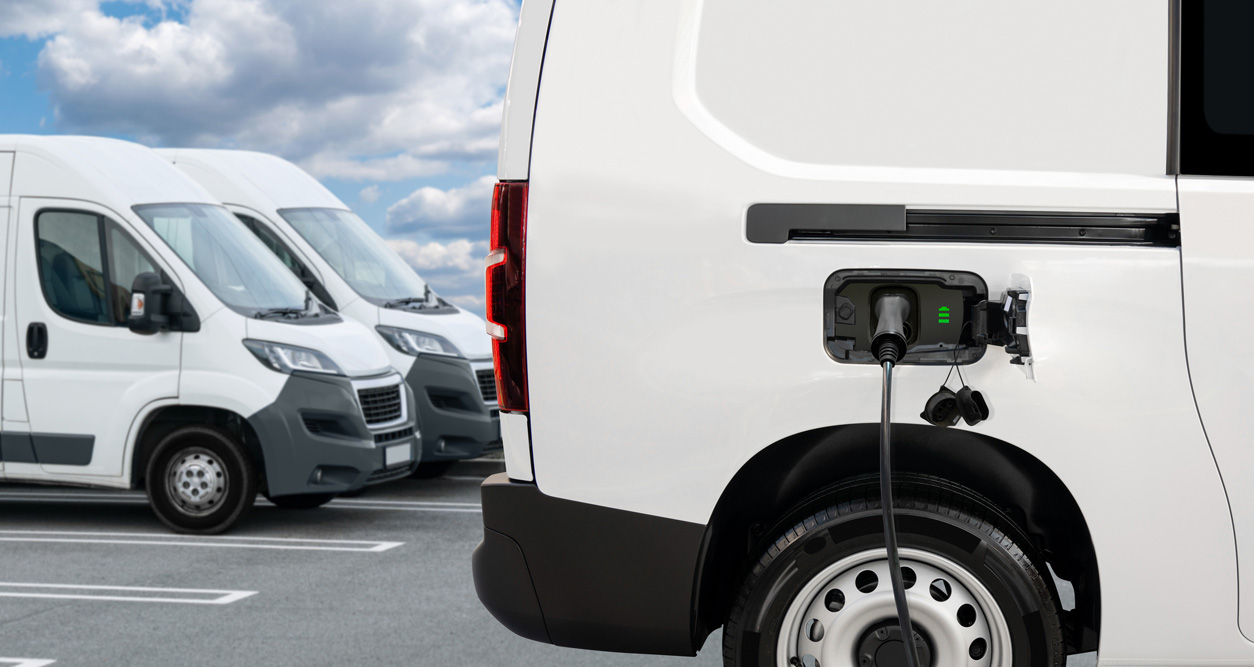
Fleet electrification is the transition from traditional petrol or diesel-powered vehicles to electric vehicles (EVs). It refers to all types of vehicles, including cars, vans, trucks, and buses, with the goal of reducing greenhouse gas emissions and supporting a more sustainable transportation system.
Corporate fleets account for an increasingly large share of new vehicle registrations, and their transition to electric plays an important role in the path to net-zero. From salary sacrifice schemes to lower maintenance costs and improved charging infrastructure, companies nationwide are reaping the benefits of fleet electrification.
Key Takeaways
- Fleet electrification replaces petrol and diesel vehicles with electric alternatives
- It reduces emissions, fuel costs, and long-term operating expenses
- Upfront costs and charging infrastructure are the main challenges
- Smart charging and load management are critical to scalability
- Fleet electrification is central to reducing reliance on fossil fuels and decarbonisation strategies
Why Fleet Electrification is Accelerating
Back in the day, electric vehicle ownership was an innovative ‘nice-to-have’, starting out as a niche, experimental choice for tech-savvy individuals interested in pioneering green choices. EV ownership attitudes have changed dramatically over time, from scepticism and curiosity to confidence and mainstream acceptance. This has been driven by some important key factors:
- Lower Total Cost of Ownership – electric vehicles are now cheaper to run than diesel or petrol. Maintenance and downtime are reduced.
- Tightening Emissions Regulations – governments are increasing Clean Air Zones, Low Emission Zones and ICE vehicle phase-out timelines.
- Corporate Net-Zero Commitments – transport emissions are one of the largest contributors to corporate carbon footprints. Electrification helps businesses hit net-zero targets, improve ESG scores and meet investor and customer expectations.
- Better EV Technology – better range, better reliability and charging speeds. Fleet availability now extends to cars, vans, buses, trucks and specialist vehicles.
- Improved Charging Infrastructure – electric infrastructure has improved rapidly. Depot and workplace charging, smart charging, fleet energy management software and the expansion of public rapid charging have all had a massive impact on the market.
- Government Incentives & Funding – incentives like vehicle grants, charging infrastructure subsidies, tax benefits and reduced city emission charges all shorten the payback period.
- Operational Advantages – EVs excel in overnight depot charging, noise-sensitive environments, predictable daily mileage, and stop-start urban routes.
- Customer & Brand Pressure – customers increasingly expect low-carbon deliveries and sustainable suppliers.
Speak to an EV Charging Specialist
Why Businesses Are Electrifying Their Fleets
Government incentives, decarbonisation initiatives and in particular, the rapid advancement of EV technology are fuelling demand for electric vehicles. These factors are making fleet electrification an attractive opportunity for businesses, creating a more reliable, capable and commercially viable option than ever before. Modern EVS offer significantly longer ranges, faster charging times, and improved battery durability, allowing them to handle demanding daily fleet operations that were previously unrealistic.
The introduction of smart charging solutions and energy management software is a game-changer for fleet managers, further boosting fleet electrification.
Smart Charging in Fleet Electrification
Smart charging capability allows fleet managers to reduce energy costs and optimise fleet operations. Instead of every vehicle charging at full power as soon as it’s plugged in, smart systems schedule charging during off-peak tariff periods. Fleet managers can also prioritise certain vehicles and adapt in real time, reducing downtime and ensuring vehicles are charged and ready when needed.
Dynamic Load Balancing
One of the main challenges of fleet electrification is power capacity. Dynamic load balancing addresses this by automatically distributing power between EV chargers in real time, based on the available electricity at a site and the number of vehicles plugged in. Fleet managers can set charging priorities to match operational needs. For example, vehicles needed for early shifts get priority for power.
Benefits of Fleet Electrification
For businesses, electrifying their fleet offers a range of significant benefits:
| Benefit | How It Helps Fleets | Business Impact |
| Lower fuel costs | Electricity is typically cheaper and more stable than diesel or petrol | Reduces operating expenses and improves cost predictability |
| Reduced maintenance | EVs have fewer moving parts and no oil changes | Less downtime and lower servicing costs |
| Lower emissions | Zero tailpipe emissions and reduced carbon footprint | Supports net-zero goals and ESG reporting |
| Compliance with regulations | Meets low-emission zone and future ICE ban requirements | Avoids fines, charges, and access restrictions |
| Improved energy efficiency | Electric drivetrains convert more energy into motion | More miles per unit of energy spent |
| Quieter operation | EVs produce less noise than ICE vehicles | Ideal for urban, night-time, and residential routes |
| Better driver experience | Smooth driving, instant torque, less vibration | Improves driver satisfaction and retention |
| Brand and reputation boost | Visible commitment to sustainability | Attracts customers, partners, and investors |
| Predictable energy costs | Smart charging enables off-peak charging | Easier budgeting and reduced exposure to fuel price spikes |
| Access to incentives | Grants, tax benefits, and subsidies are available in many regions | Shortens payback period and lowers upfront costs |
| Data and telematics integration | EVs integrate well with digital fleet tools | Better route planning and performance monitoring |
| Future-proof operations | Prepares fleets for tightening emissions rules | Long-term operational resilience |
Explore Our Fleet Charging Solutions
What is the Total Cost of Ownership (TCO) and Why Does It Matter?

The Total Cost of Ownership estimates the cost of a vehicle over its lifespan in your fleet. TCO incorporates the cost of the vehicle, fuel, repairs, maintenance, registration and insurance, less grants and incentives.
Comparing TCO calculations for an internal combustion engine (ICE) vehicle and a comparable electric vehicle (EV) means you can evaluate the cost of operating each type of vehicle over its useful life in your fleet.
Final Thoughts…
Corporate fleet electrification is a standout factor in the UK’s journey to its net-zero target. Businesses are increasingly aligning operational decisions with environmental objectives, helped by government incentives and technological advancements.
Vital EV Solutions can help your business transition to electric. Contact our team to discuss charging infrastructure and software capabilities that can help your business become operationally competitive and environmentally responsible.