adminis
The Minister of State for Petroleum Resources (Gas), Ekperikpe Ekpo, has called on governments, private sector players, financiers, and international partners to work together in mobilising resources, deploying technologies, and developing innovative financing models to unlock Africa’s vast gas reserves.
Ekpo made this appeal on Monday during the Gas Exporting Countries Forum workshop titled “Natural Gas for Africa’s Sustainable Development” at the Africa Energy Week in Cape Town, South Africa.
In a statement signed by his spokesperson, Louis Ibah, the minister stressed that although Africa is endowed with large natural gas reserves, over 600 million people on the continent still lack electricity while nearly one billion have no access to clean cooking solutions.
He described this as a “development emergency” that continues to hinder education, healthcare, and industrialisation.
According to him, if Africa is to achieve the African Union’s Agenda 2063 and the Sustainable Development Goals, it must urgently harness natural gas as a driver of inclusive growth and prosperity.
He highlighted the unique value of natural gas in powering homes, schools, hospitals, and businesses; driving industrialisation through fertilizer, petrochemicals, cement, and steel production; enabling clean cooking and reducing reliance on biomass; and supporting energy transition by complementing renewables and cutting emissions compared to coal and oil.
“For Africa, natural gas is not simply a transition fuel but both a bridge and a destination fuel, essential to building resilient economies and societies,” Ekpo said.
He noted that in Nigeria, President Bola Tinubu has placed gas at the centre of the economic transformation agenda through the Decade of Gas initiative, which aims to leverage the country’s over 200 trillion cubic feet of proven reserves to deliver prosperity, strengthen regional energy security, and support global stability.
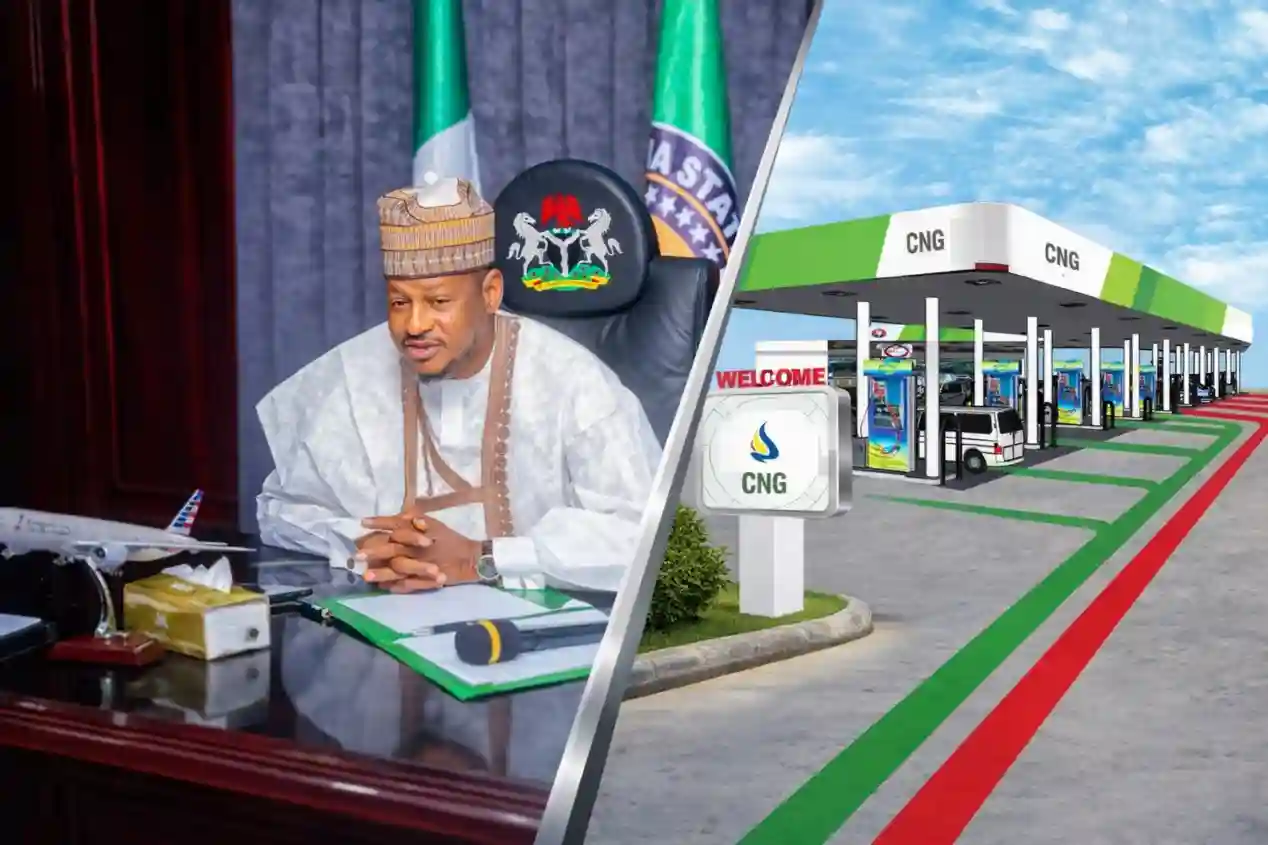
Ekpo also enumerated measures taken to utilise gas resources, such as the implementation of compressed natural gas programs to lessen dependency on petrol and diesel, gas-to-power projects and the LPG penetration program, which aims to reach five million homes by 2030.
He noted that critical infrastructure projects like the Ajaokuta-Kaduna-Kano and OB3 pipelines, as well as the Nigeria LNG Train 7 project, are moving forward to open domestic and regional markets and position Nigeria as a reliable global LNG supplier.
The minister further noted that Nigeria is pursuing regional integration through the West African Gas Pipeline, the Trans-Saharan Gas Pipeline, and new opportunities with Libya.
He said the Petroleum Industry Act 2021 and Presidential Executive Orders on oil and gas reforms had created transparent, investor-friendly frameworks to attract capital into the sector.
“Africa’s development must be powered by Africa’s resources, driven by Africa’s priorities, and supported through Africa-led partnerships,” Ekpo declared.
“Natural gas is central to this vision; it is the fuel that can light homes, power industries, secure livelihoods, and safeguard our future. Nigeria stands ready to share experiences, deepen cooperation, and work with all of you towards an energy-secure, industrialised, and prosperous Africa,” he added.