adminis
The Midstream and Downstream Gas Infrastructure Fund (MDGIF) is stepping up efforts to attract international capital for critical gas infrastructure projects as it seeks to help close Nigeria’s estimated $20 billion annual funding gap in the sector.
The Fund is expanding its collaboration with international financial institutions, including a $500 million agreement with the African Export-Import Bank (Afreximbank), as part of efforts to unlock fresh investment and accelerate the development of Nigeria’s vast gas resources.
Executive Director of the MDGIF, Mr. Oluwole Adama, said the gas infrastructure business remains highly capital-intensive and largely unattractive to conventional commercial lenders because of the long gestation periods and risks associated with such investments.
Adama disclosed this at a recent industry event in Abuja.
He said the Fund was nevertheless supporting about 200 gas infrastructure projects across the country as part of efforts to unlock Nigeria’s estimated 200 trillion cubic feet of gas reserves.
Adama said the Fund had reached Final Investment Decisions (FID) on 31 projects and supported the construction of more than 200 pieces of gas infrastructure in the past 18 months.
According to him, 10 of the projects have already been commissioned, while another six to eight gas processing plants, as well as more than 50 CNG mother and daughter stations, are expected to be commissioned between October and December 2026.
Established under the Petroleum Industry Act (PIA) 2021, the MDGIF was created to de-risk investment in midstream and downstream gas infrastructure and catalyse private sector participation.
Adama said the Fund was deliberately adopting a different financing model by providing “patient capital through equity ownership rather than traditional loans or grants.”
He explained that the strategy was designed to make capital-intensive gas projects more bankable, particularly in an environment where high commercial lending rates make long-term infrastructure financing difficult.
He stressed that greater utilisation of gas was critical to Nigeria’s energy transition, noting that gas offers a cheaper alternative fuel for automobiles and has significant potential to meet other energy needs.
Also speaking at the event, Executive Director, Finance and Accounts, Nigerian Midstream and Downstream Petroleum Regulatory Authority (NMDPRA), Mr. Abiodun Adeniji, expressed optimism that the planned African Energy Bank would help address the financing challenges confronting the continent’s energy sector.
Adeniji said the bank could provide financing at rates closer to those available in international markets, rather than the double-digit interest rates typically charged by Nigerian commercial banks.
He also called for stronger funding support for the MDGIF, arguing that adequate capital would enable the Fund to play a more effective role in developing the country’s gas infrastructure.
The Fund’s intervention has already attracted significant capital into gas infrastructure projects. In May 2026, the MDGIF was reported to have committed more than N430 billion to gas infrastructure projects nationwide amid the Federal Government’s commissioning of four flagship Compressed Natural Gas (CNG) projects.
At the time, Hussaini Basaka, Director-in-Charge of Project Management at the MDGIF, said the Fund’s investment had helped catalyse substantially larger private sector investments.
“In ballpark terms, the MDGIF has invested over N430 billion and catalysed about ten times that amount, about N1.6 trillion, in investments,” Basaka said.
He disclosed that, for one of the projects in Abuja, the MDGIF took a 45 per cent equity stake through a substantial capital commitment.
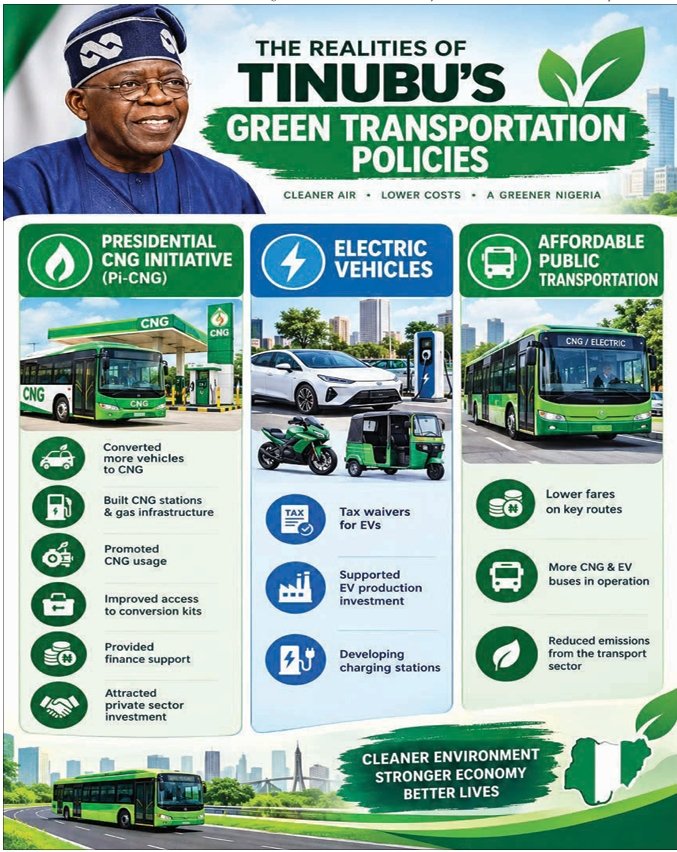
Beyond infrastructure financing, the Federal Government has also introduced interventions aimed at accelerating the adoption of CNG as an alternative transport fuel.
In March 2025, the government launched a N2.5 billion credit scheme to support vehicle conversions to CNG and the local manufacturing of conversion kits.
The Presidential Compressed Natural Gas Initiative (PCNGi) said the scheme was designed to reduce transportation and energy costs, expand gas-based mobility and provide financial relief to Nigerians.