adminis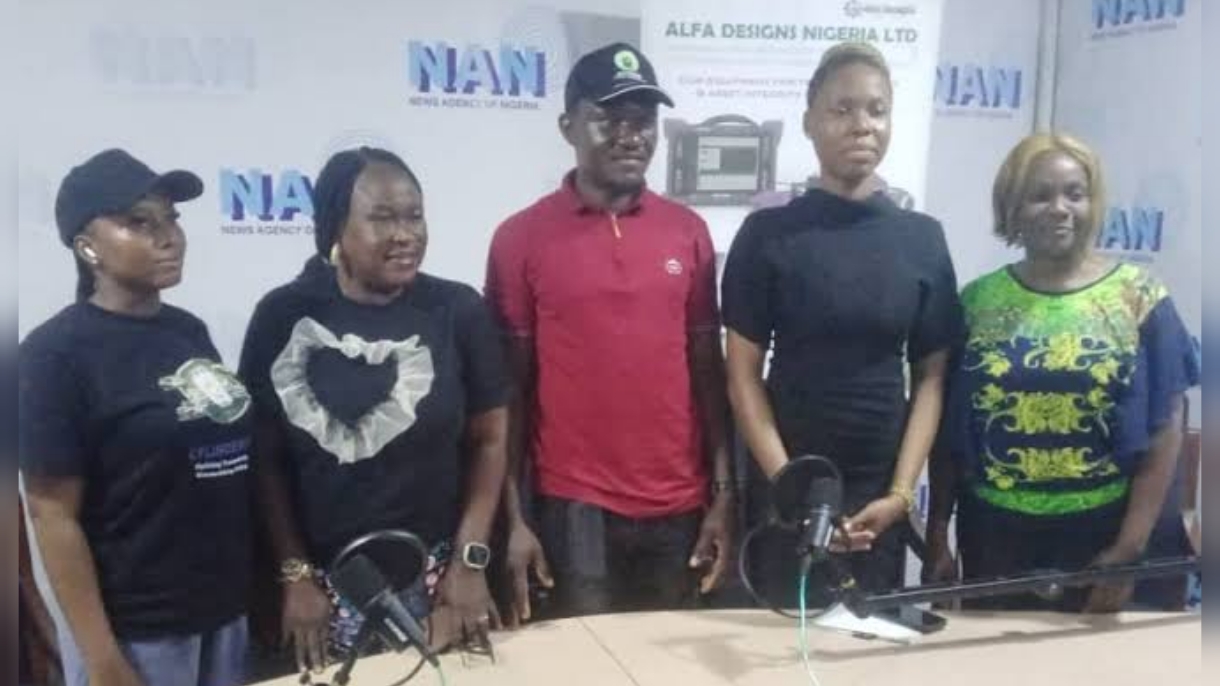
Kate Roland
A Nigerian engineering company, Alfa Designs Nigeria Ltd., has developed a patented smart wellhead monitoring system designed to improve safety, prevent oil losses and strengthen operational efficiency in the country’s oil and gas industry.
The technology provides operators with real-time access to wellhead pressure and environmental conditions, allowing potential threats to be identified and addressed before they escalate into major incidents.
Mr Ikechukwu Okonkwo, Head of Department at Alfa Design, disclosed this in an interview with the News Agency of Nigeria (NAN) on Friday in Lagos.
Okonkwo said the indigenous system was designed to give oil and gas operators greater control over wellhead operations through remote monitoring and automated safety mechanisms.
According to him, the system can detect abnormal pressure fluctuations, pipeline tampering and other dangerous conditions that could potentially trigger explosions or cause damage to oil production facilities.
He explained that once the system identifies a serious abnormality, it can automatically shut down the affected oil well, thereby reducing the risk of accidents, equipment damage and environmental pollution.
The technology is also capable of storing operational data, providing operators with historical information that can be used to analyse production trends, investigate incidents and improve future decision-making.
“The system stores operational data for future analysis and allows operators to monitor wellhead conditions remotely, making oil production safer and more efficient,” he said.
Technology Targets Oil Theft, Vandalism
The introduction of the monitoring system comes against the backdrop of persistent challenges facing Nigeria’s oil and gas sector, including crude oil theft, pipeline vandalism and operational risks.
Okonkwo said the technology could help operators detect suspicious activity around oil infrastructure more quickly while providing an additional layer of protection for critical production assets.
By enabling remote monitoring, the system could also reduce the need for personnel to be physically present at certain wellhead locations, potentially improving worker safety in areas exposed to security and environmental risks.
He said Alfa Designs had continued to expand its engineering capabilities, providing services such as pipeline construction, asset integrity management, crane certification, generator repairs, procurement and equipment fabrication.
The company, he added, was also investing in energy solutions aimed at supporting Nigeria’s transition towards cleaner and more affordable fuels.
Firm Expands CNG Solutions
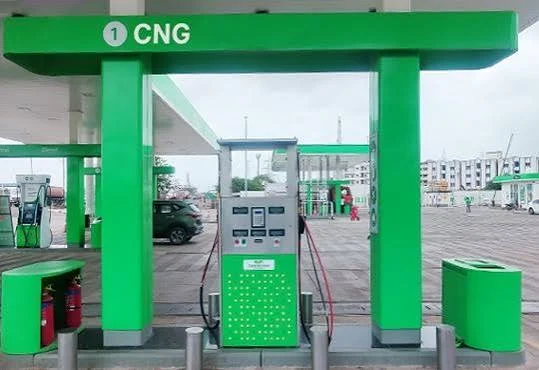
According to Okonkwo, Alfa Designs is expanding its Compressed Natural Gas (CNG) business as demand grows for alternatives to conventional petrol and diesel.
The company manufactures and supplies conversion kits that allow diesel-powered generators to operate using diesel and CNG simultaneously or entirely on CNG.
It also supplies CNG conversion kits for vehicles, tricycles and motorcycles, as well as cylinders, gas cascades and transport trailers.
Okonkwo said the company’s gas cascades, with capacities of about 2,000 litres, could provide fuel for large generators for as long as one week, depending on the level of consumption.
He said businesses and commercial transport operators could achieve substantial savings by switching to CNG.
“CNG offers significant savings and provides a practical alternative for organisations seeking to reduce operating expenses,” he said.
According to him, wider adoption of the fuel could reduce fuel costs by more than 60 per cent for some businesses and commercial transport operators.
Refuelling Infrastructure Remains Major Challenge
Despite the potential cost savings, Okonkwo identified inadequate refuelling infrastructure as one of the major obstacles limiting the expansion of CNG adoption in Nigeria.
He said the shortage of accessible CNG refuelling stations had discouraged many vehicle owners, transport operators and businesses from converting their equipment, even where the economics of using the fuel were favourable.
To bridge the infrastructure gap, Alfa Designs is developing CNG mother stations, daughter stations and mobile refuelling facilities in areas where access to the fuel remains limited.
Okonkwo said pilot projects were already underway, with proposed facilities in Ore in Ondo State, Imo State and other underserved locations.
The planned facilities, he explained, would bring CNG closer to consumers and businesses while supporting the growth of the emerging gas-based transportation and industrial economy.
He said improved access to refuelling infrastructure would be critical to sustaining demand and encouraging more businesses and vehicle owners to invest in CNG conversion.
Firm Deploys Industrial CT Scanning Technology
Beyond oil and gas engineering and CNG solutions, Alfa Designs is also involved in advanced industrial research and material analysis.
Okonkwo disclosed that the company operates an industrial Computed Tomography (CT) scanning system used for engineering research and non-destructive material analysis.
The technology enables engineers to produce detailed three-dimensional images of components and materials, allowing them to examine internal structures and identify defects without physically damaging the objects being tested.
According to Okonkwo, the system can support accurate assessment of material properties and help engineers identify faults that may not be visible through conventional inspection methods.
Such technology can be particularly useful in industries where the reliability and structural integrity of components are critical to safety and productivity.
Indigenous Innovation Key to Energy Security
Okonkwo reaffirmed Alfa Design’s commitment to developing locally engineered solutions that address some of the technical and operational challenges confronting Nigeria’s energy sector.
He said the company’s investments in smart monitoring systems, CNG technology, industrial scanning and other engineering services were aimed at improving safety, reducing operating costs and strengthening the country’s capacity to develop and deploy indigenous technologies.
The company’s focus on local engineering solutions also reflects the growing need for Nigerian firms to play a greater role in developing technologies suited to the country’s specific infrastructure, energy and industrial requirements.
With oil and gas operators under increasing pressure to improve efficiency and minimise losses, while businesses seek cheaper energy sources, technologies that combine automation, safety monitoring and alternative fuel solutions could become increasingly important to Nigeria’s energy landscape.