adminis
Nigeria’s gas transition is increasingly being measured not by policy roadmaps but by infrastructure that is operating on the ground, with pipelines delivering fuel to industrial plants and compressed natural gas (CNG) facilities supplying alternatives to diesel and petrol across key corridors of the economy.
Recent project deliveries across Nigeria’s gas value chain point to a gradual shift from planning to execution, particularly in industrial gas pipelines and CNG infrastructure designed to support manufacturing, power generation and transport.
Industry sources say these operational assets are critical to the country’s ambition to deepen gas utilisation as a transition fuel, reduce energy costs and cut emissions, especially in sectors where electricity supply remains unreliable.
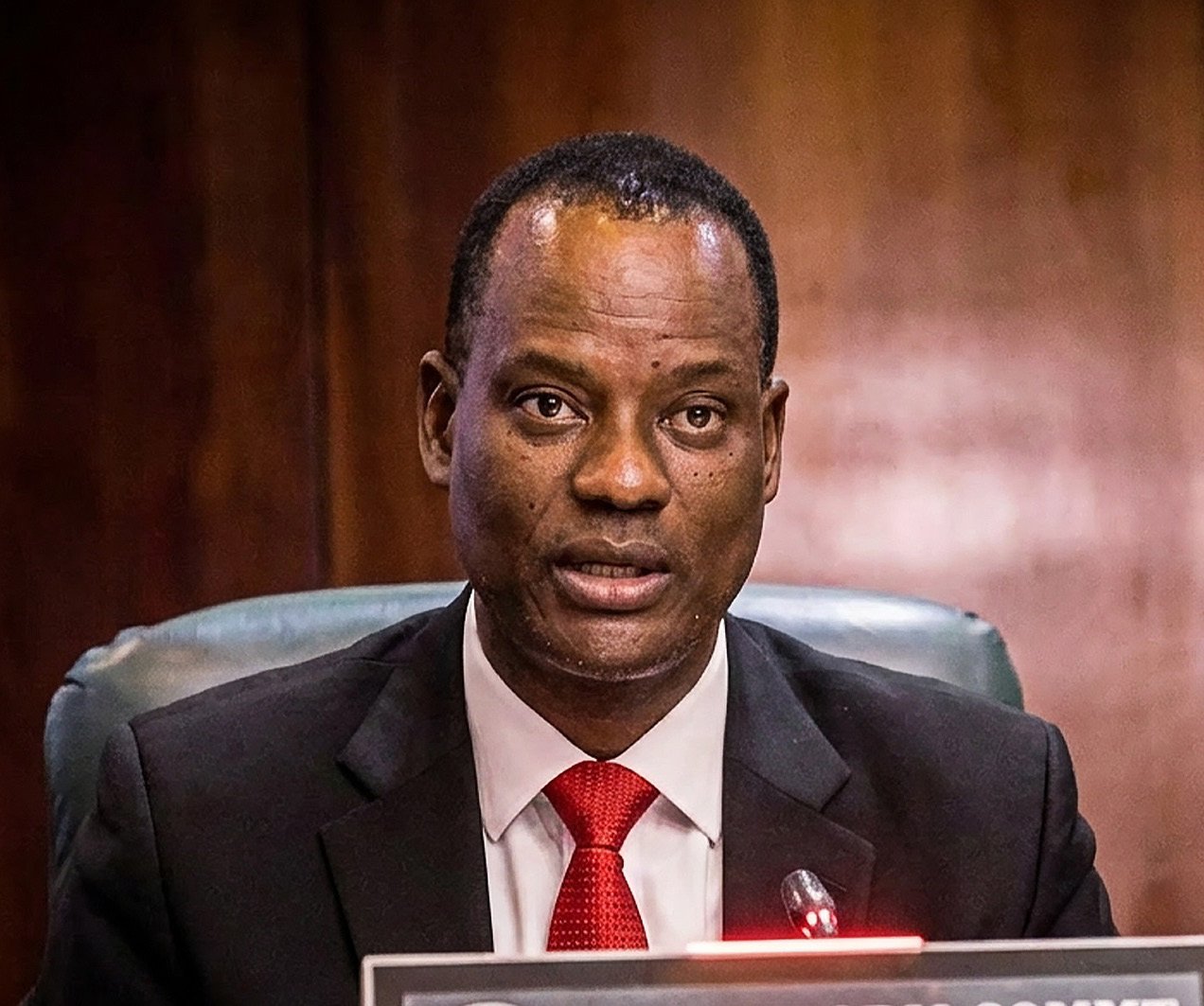
One of the engineers closely associated with several of these projects is Engr. Dr. Waheed Adedeji “Deji” Ashiru, whose career spans large-scale gas infrastructure, industrial energy systems and regulatory-compliant project delivery.
His work has involved pipeline development, gas-powered industrial facilities and CNG infrastructure, areas regarded by energy experts as essential to making Nigeria’s gas transition practical rather than aspirational. In the industrial sector, gas pipelines remain central to sustaining heavy manufacturing.
According to Dangote Industries Group, Ashiru served as principal consultant on pipeline and gas-related projects dating back to the early 2000s.
In a written statement, Suhail Hamid, executive director (Project) for Dangote Industries Group, said he has known Ashiru since 2003, when Ashiru was appointed principal consultant on pipeline and gas-related projects.
Hamid credited him with being instrumental to the successful delivery of a 120-kilometre gas pipeline supplying the Obajana Cement Plant. He also described Ashiru’s coordination of engineering and construction activities associated with Dangote’s refinery and fertilizer developments, emphasizing structured work planning, adherence to specifications, and the ability to resolve problems that arise during construction, testing, and handover without compromising standards.
If that record speaks to scale, Ashiru’s work in compressed natural gas speaks to Nigeria’s next energy question: how to convert gas resources into usable, affordable fuel and power, especially where legacy infrastructure is limited.
He has been closely associated with Contec Global Energy Limited, a Nigerian limited liability company operating in renewable-energy solutions and backup power products. Contec describes itself as working at the forefront of natural-gas usage, with projects that include gas compression facilities, natural-gas-driven power stations, and process discharge stations. It received a federal license to operate a compressed natural gas facility supplying alternative fuel to the transport sector.
In a written statement, Dr. Benoy Berry, Contec’s chairman, described why Ashiru’s involvement became pivotal to that effort.
Berry stated that although Contec had secured the necessary license, the plant remained unable to operate for years because the company lacked the specialized expertise to complete required testing and satisfy regulatory conditions for safe operation.
He said Ashiru was recommended through professional channels and then restarted the work: reviewing and reworking engineering designs, supervising construction, coordinating equipment procurement from multiple countries, and personally witnessing factory acceptance testing abroad. Berry added that, within roughly two years of Ashiru’s engagement, Contec commenced operation of the facility.
In an industry where failures are rarely dramatic but often costly, the difference between a concept and a functioning plant is frequently a small group of people who understand both technical detail and institutional process. The account from Contec’s leadership places Ashiru in that category: the person brought in not to announce a project, but to make it run.
His stature within Nigeria’s engineering community is also reflected in professional recognition and service.
Beyond individual projects, Ashiru’s work reflects a broader emphasis within Nigeria’s energy transition on compliance, safety and sustainability. His professional standing within the engineering community includes fellowship of the Nigerian Society of Engineers (NSE) and the Nigerian Institution of Mechanical Engineers.
In a written statement, Engr. Femi John Adedotun of the NSE Ikeja Branch described Ashiru as a practitioner whose expertise is frequently sought in regulatory compliance, sustainable engineering and project management.
Adedotun also cited Ashiru’s involvement in professional evaluation panels that assess engineers for corporate membership, a role that places him within the institutional framework guiding engineering standards in the country.
Ashiru’s technical training includes a Bachelor’s degree in Mechanical Engineering from Obafemi Awolowo University and a Master’s degree in Offshore and Ocean Technology from Cranfield University in the United Kingdom, with a focus on pipeline engineering. He has also received an honorary Doctor of Engineering degree, according to biographical records.
In 2024, the Presidency announced Ashiru’s appointment as managing director and chief executive officer of the Ogun-Osun River Basin Development Authority, a federal agency responsible for water resources and development planning.
While the role is outside the gas sector, observers note that it places an engineer with deep experience in project execution and compliance at the helm of a public institution where infrastructure delivery and sustainability are central mandates.
Nigeria’s gas transition strategy positions natural gas as a bridge between fossil fuels and cleaner energy systems, supporting industrial growth while lowering carbon intensity. However, experts argue that success depends less on declarations and more on assets that function safely and consistently.
Operational pipelines supplying factories, CNG facilities fuelling vehicles and industries, and gas-powered plants supporting distributed energy needs are increasingly seen as tangible indicators of progress.
As more of these projects move from concept to operation, they provide evidence that Nigeria’s gas transition, long discussed in policy circles, is beginning to take shape through infrastructure that works.