adminis

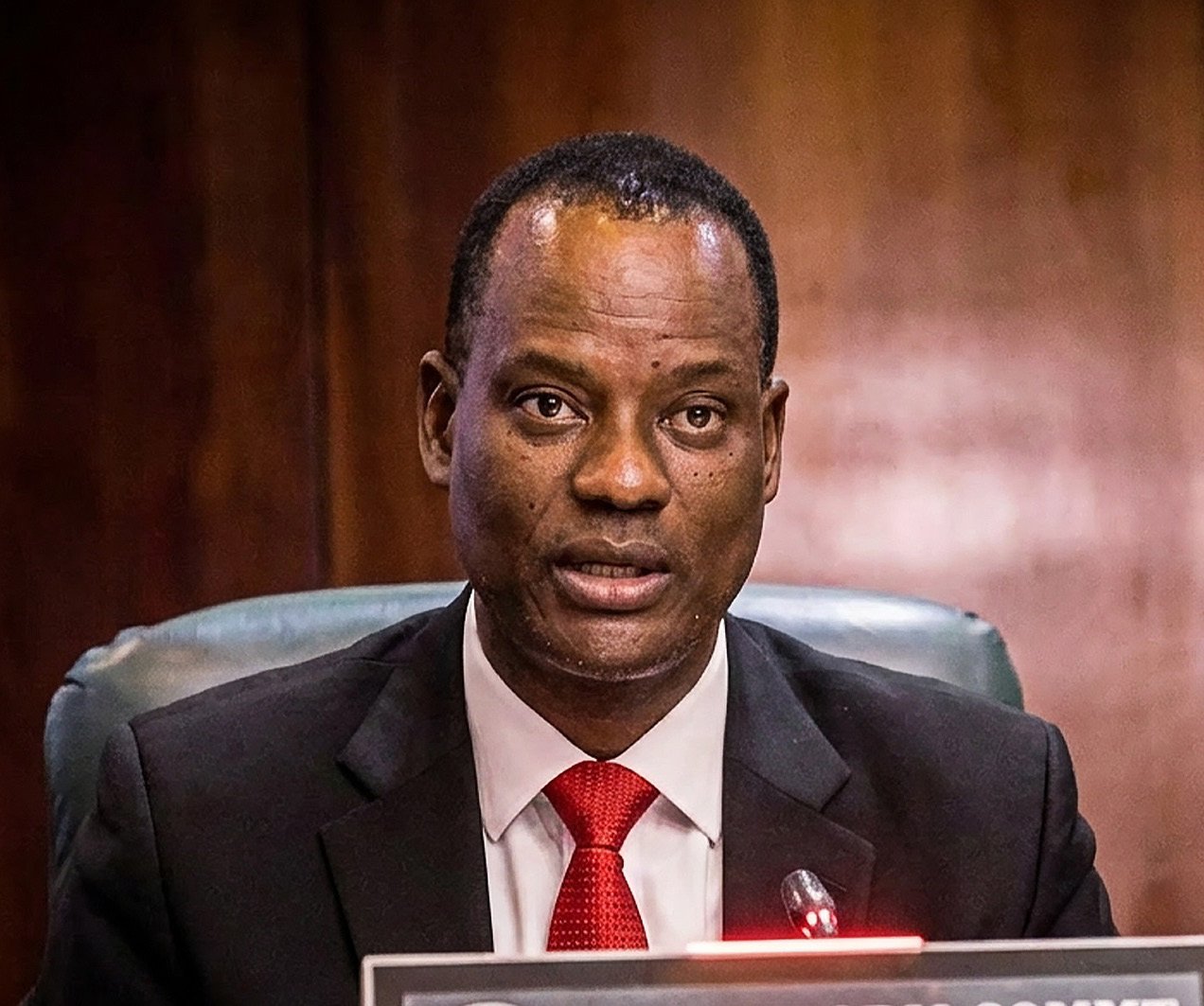
While Nigeria has long been celebrated as a leading oil producer, its gas resources have often remained underutilized. With proven reserves of 206 trillion cubic feet (TCF) of gas compared to 36.9 billion barrels of crude oil, Nigeria’s future energy security and economic diversification are intrinsically linked to gas development. Since assuming office as Group Chief Executive Officer of NNPC Limited eight months ago, Bayo Ojulari has intensified efforts to commercialize Nigeria’s gas resources, advancing the country toward a gas-driven economy.
Ojulari’s gas strategy is grounded in pragmatism, commercial viability, and strategic alignment with both domestic and regional objectives. His approach is designed not only to increase revenue but also to support energy transition goals, industrialization, and sustainable growth.
From Potential to Production
One of the early achievements under Ojulari has been the acceleration of gas monetization projects. Historically, large volumes of Nigerian gas were flared due to a lack of infrastructure or commercial pathways. Ojulari has prioritized reducing gas flaring through investments in processing, transportation, and distribution infrastructure. This not only addresses environmental concerns but also transforms waste into a revenue-generating resource.
Projects such as the Obiafu-Obrikom-Oben (OB3) gas pipeline have gained renewed attention, with Ojulari overseeing efforts to ensure timely completion and optimal operational performance. By unlocking stranded gas resources, these initiatives strengthen domestic supply and create opportunities for industrial and power sector growth.
Gas-to-Power Initiatives
A central pillar of Ojulari’s gas strategy is its linkage to the national power sector. Reliable gas supply is crucial for electricity generation, which remains a bottleneck for Nigeria’s industrialization and economic diversification.
Under his leadership, NNPC has worked to ensure consistent gas delivery to power plants through both direct supply arrangements and partnerships with Independent Power Producers (IPPs). These measures have improved plant utilization rates, stabilized electricity generation, and contributed to national energy security—a key component of NNPC’s broader mandate.
Domestic Industrial Gas Supply
Beyond power, Ojulari has emphasized the use of gas as feedstock for industrial applications. Fertilizer plants, petrochemical industries, and other energy-intensive sectors rely heavily on affordable and reliable gas supplies. By facilitating gas-to-industrial projects, NNPC supports the government’s vision of economic diversification, job creation, and import substitution.
Ojulari has overseen targeted interventions to ensure pipeline reliability, adequate capacity, and commercial agreements that incentivize industrial uptake, aligning operational performance with Nigeria’s developmental priorities.
Compressed Natural Gas (CNG) and Transportation
In line with global energy transition trends, Ojulari has also promoted the adoption of Compressed Natural Gas (CNG) for transportation. By creating alternative fuel pathways, NNPC aims to reduce transport energy costs, lower emissions, and expand domestic demand for gas.
The initiative involves partnerships with private operators, infrastructure development for CNG refueling stations, and advocacy to encourage uptake among fleet operators. This multi-pronged approach illustrates Ojulari’s focus on both market creation and environmental sustainability.
The Nigeria–Morocco Gas Pipeline and Regional Opportunities
Ojulari’s gas commercialization efforts extend beyond Nigeria’s borders. The Nigeria–Morocco Gas Pipeline (NMGP) project, a regional initiative designed to deliver gas from Nigeria to multiple African countries, exemplifies how gas can serve as a driver for continental integration, trade, and energy security.
Under Ojulari, the NMGP has seen renewed focus on feasibility, regulatory alignment, and stakeholder engagement. The first phase, extending to Côte d’Ivoire, is positioned as a proof-of-concept for regional energy collaboration, paving the way for eventual expansion to Morocco and potentially Europe. This strategy integrates domestic gas commercialization with regional export opportunities, enhancing revenue and strategic influence simultaneously.
Reducing Flaring and Environmental Benefits
Ojulari’s gas initiatives also carry environmental significance. By reducing routine gas flaring and promoting clean gas utilization, NNPC contributes to climate change mitigation and environmental sustainability. These measures not only improve Nigeria’s environmental footprint but also align the company with global ESG expectations, enhancing its attractiveness to international investors.
Public-Private Partnerships and Investment Mobilization
Recognising gas infrastructure is capital-intensive, Ojulari has placed strong emphasis on public-private partnerships. By offering NNPC infrastructure access and commercial collaboration opportunities, private sector investment is mobilized while risk is shared.
This approach reduces the financial burden on the government and NNPC, accelerates project execution, and fosters a more competitive and resilient gas market.
Commercial Discipline and Operational Efficiency
Ojulari’s gas strategy is underpinned by operational rigor. Pipeline integrity, processing capacity, and contractual clarity are monitored continuously to ensure commercial efficiency. Monthly reporting and performance metrics, extended to gas projects, reinforce accountability and transparency, complementing the broader corporate reforms instituted since his appointment.
Linking gas commercialisation diversification
Ultimately, gas commercialization under Ojulari serves as a keystone of NNPC’s diversification strategy. It generates new revenue streams, supports industrial development, strengthens energy security, and positions Nigeria as a regional energy hub. By balancing domestic needs with export potential, environmental responsibility with commercial pragmatism, and infrastructure investment with partnerships, Ojulari is transforming gas from an underutilized resource into a central pillar of national prosperity.
Eight months into his tenure, Bayo Ojulari has not only stabilized ongoing gas projects but also set a clear trajectory for the sector. His leadership signals a shift toward a gas-driven economy, leveraging Nigeria’s abundant resources to support growth, diversification, and sustainable development.
Akpan, a public analyst, sent this piece from Uyo