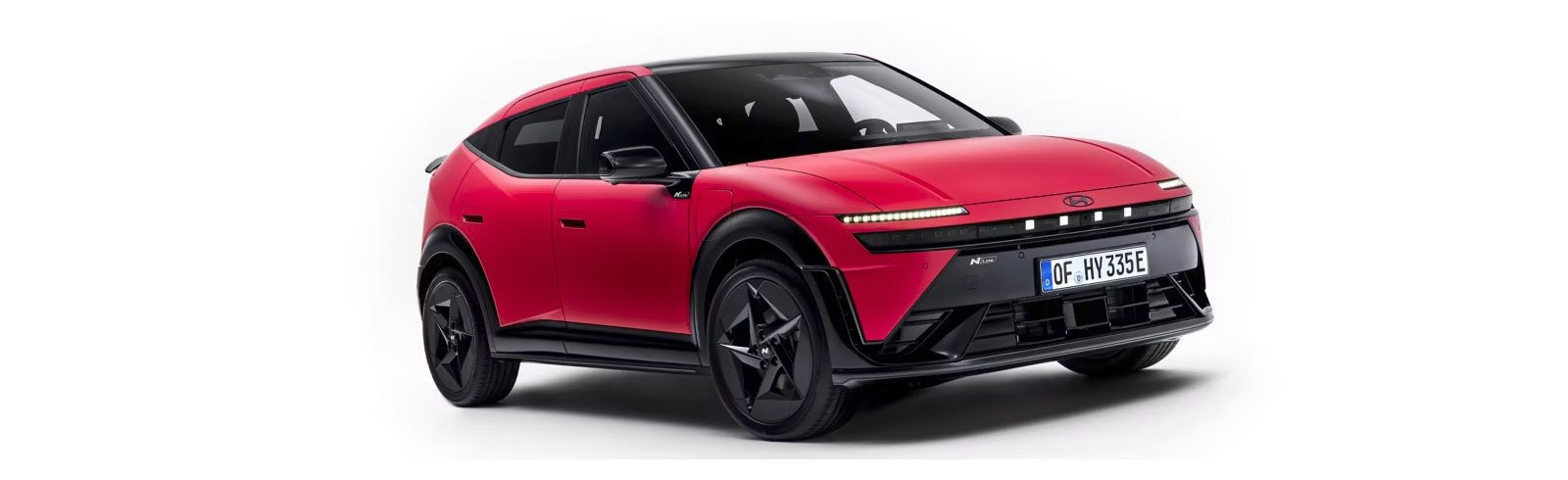
Let’s not underestimate the humble EV charging cable – this piece of kit is the vital link connecting your pristine electric vehicle to the power it needs to function. An electric vehicle charging cable needs to be armoured so that it can withstand the harsh outdoor elements and the pressure of cars and buildings.
As more people enter the electric car market, understanding the technical aspects of EV chargers is crucial. Armoured cable for EV charging is available in different sizes depending on certain factors. In this blog, we’ll examine what size cable is right for an electric charger and why getting the right size matters.
What Is An EV Armoured Cable?
An EV charging cable delivers electrical power from a power source to the EV charging station. For EV charging, the cable must be ‘armoured’ to offer maximum protection, reliability and safety.
An armoured cable has a protective steel wire surrounding the inner conductors. It is made up of inner conductor wires that carry the electrical current, surrounded by an insulating layer. Around this is the protective armour, made from steel or aluminium. An additional layer of protection covers this called a sheath, typically made from PVC or LSZH.
It is exceptionally durable, which is vital in specific applications.
- Armoured cable is protected from physical damage like impact and pressure. It can withstand crushing from heavy vehicles, machinery and buildings.
- The steel barrier stops rodents and other pests from chewing through and causing damage.
- Armoured cable can withstand extreme weather, moisture and temperatures.
- The durability of armoured cable means it offers excellent reliability and safety properties.
Calculating Cable Size
The size of armoured cable is expressed in mm. Find out the information below to assess the size of cable required, and always instruct a qualified, certified EV electrician who is authorised to install EV points to carry out the work.
- The charger’s power capacity (kW) – check the power rating or capacity of your charger.
- The distance from the power source (electric panel) – calculate the distance between the location of your charger and the electric panel.
- The voltage – residential chargers in the UK operate at 240 volts, whereas commercial chargers often require a higher voltage.
- The current rating (Amps) of the charger – check the current rating of your charger.
Cable Type
In the world of armoured cable for EV charging, there are three types of cable available. It’s essential to consider which option is best for you, as each offers distinct features.
- SWA (Steel Wire Armoured) is suitable for underground installations.
- SY (Shielded) provides additional protection against electromagnetic interference.
- CY (Control) for installations that require data or signal transmission.
Tip: When considering an EV charger installation, ensure you make choices that will last well into the future. Technology is advancing quickly, so it’s a good idea to be ahead of the game!
Commercial EV charging points are a key part of the infrastructure needed to support the wave of EV ownership. If you’re thinking about installing one, remember that choosing the right EV charger cable size is essential to produce safe and efficient power. Consult a licensed electrician for help and advice.